


Sir Devonshire Square Hotel
The sturdy brick buildings that make up Devonshire Square, a lesser-known complex that sits close to Spitalfields Market, bordering Shoreditch to one side and the City of London on the other, are steeped in history.
Most were built as warehouses to accommodate the textiles and spices that poured into Britain, crammed into the tall trade ships that docked and unloaded on the Thames.
At one point these buildings were amongst the biggest and tallest in the City.
Now they cluster in the shadow of the City’s giant skyscrapers.
Thankfully, for centuries, the warehouses of Devonshire Square were considered impressive and important enough to avoid being demolished.
In fact, they have been retained, restored and repurposed, and most have reopened to provide office and studio space on the upper floors and a mix of shops and eateries on the ground floors.
Some of them house branded bars or restaurants, and all turn a lively trade in the early evenings of the working week.
Devonshire Square has become a magnet for city workers and is now considered to be one of the better places to visit for entertainment in the City.
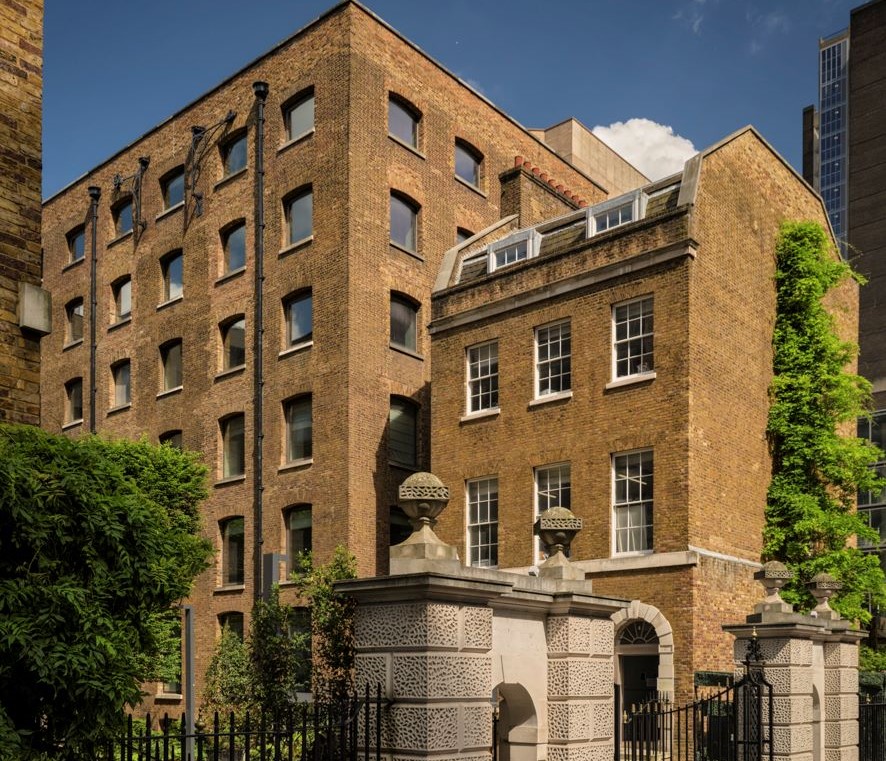
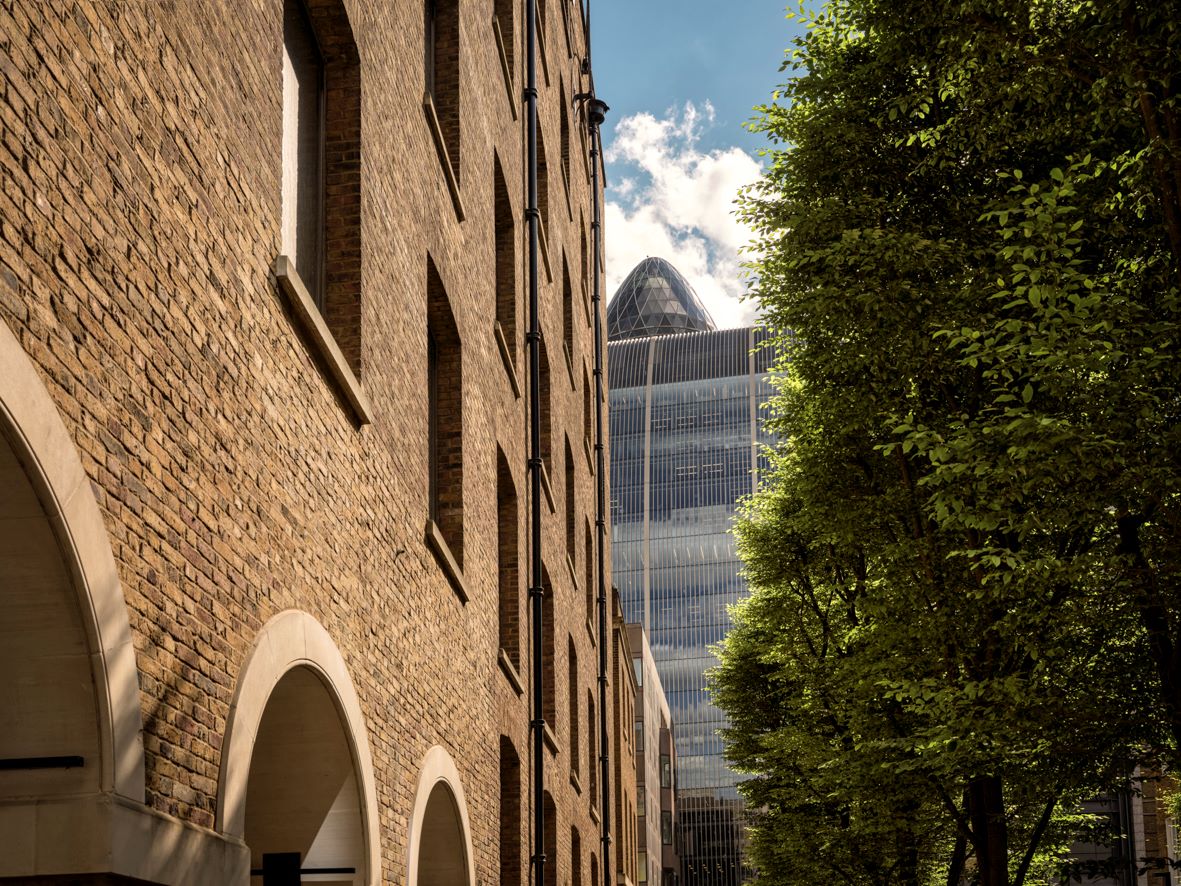
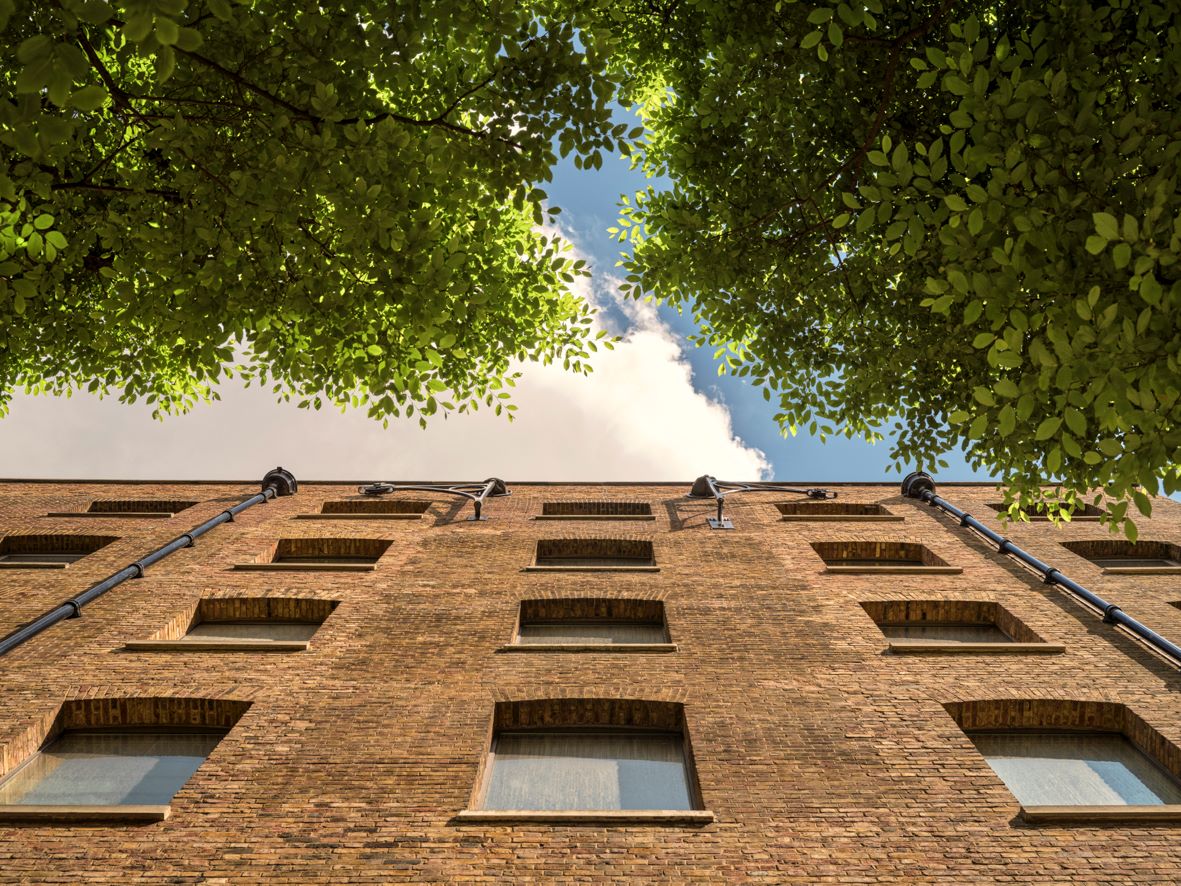
On the outer edge of Devonshire Square and set within a restored building that dates back to the 17th century, is the newly opened Sir Devonshire Square hotel.
The Sir Devonshire Square hotel is one of several Sir hotels, but the first in the UK, owned and operated by Sircle Collection Europe.
As a group the Sircle Collection of hotels is dedicated to preserving local history.
This hotel offers a unique blend of historic character and contemporary comfort as it introduces guests to the best of East London’s modern creativity.
The building was once the headquarters of the East India Tea Company, underwent a major conversion in the 1980s and more recently it housed the Devonshire Club, a short-lived and fun hybrid hotel/private members’ club concept.
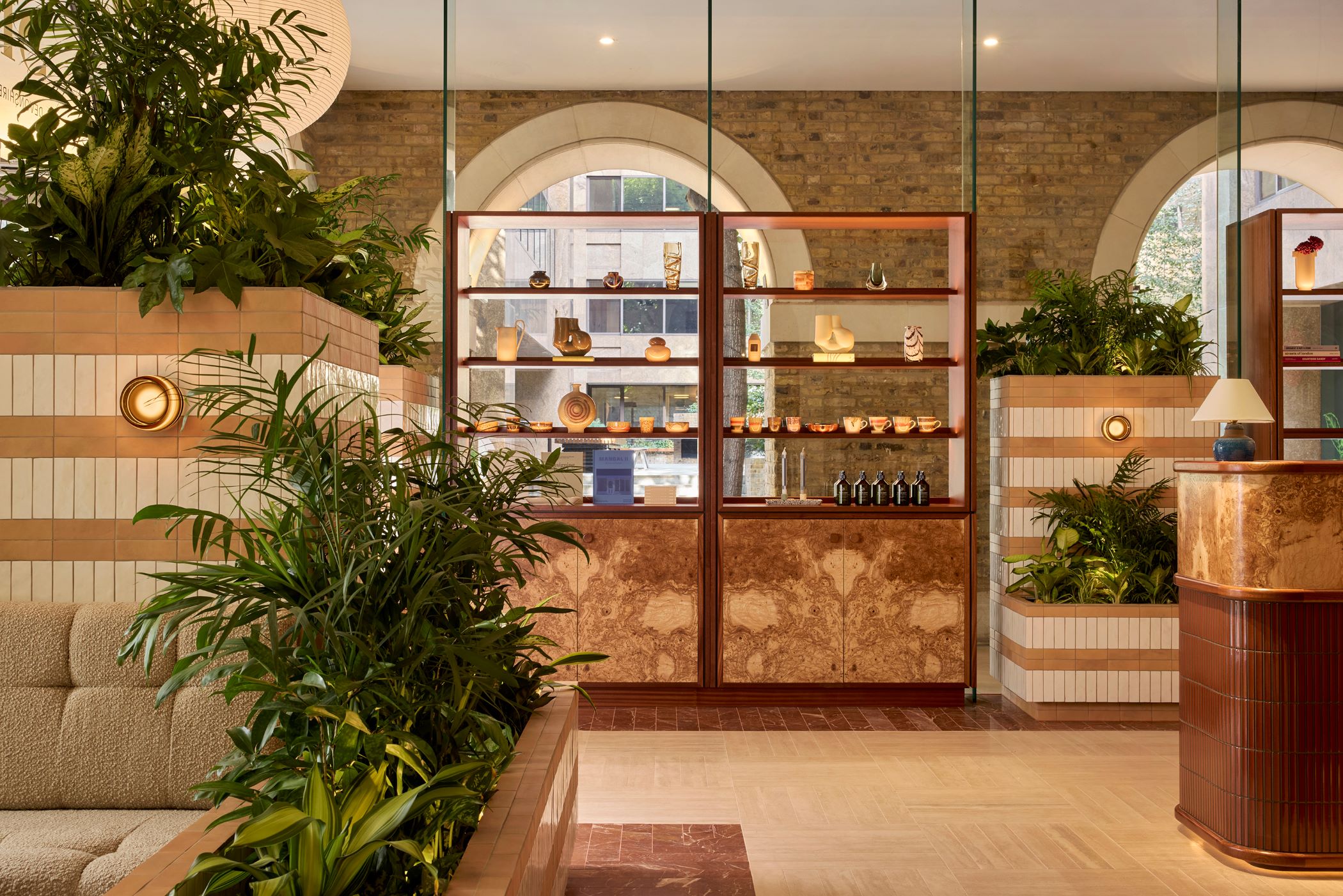
It was originally constructed as a textiles warehouse, so the building once buzzed with the trade of raw silk and fine fabrics.
It now stands as a reminder of East London’s vibrant industrial past.
Thankfully, the gradual transformation of this storied space from warehouse to hotel has managed to preserve its original features; the soaring ceilings, the robust brickwork and the expansive warehouse windows, celebrating both the history and the new purpose it serves.
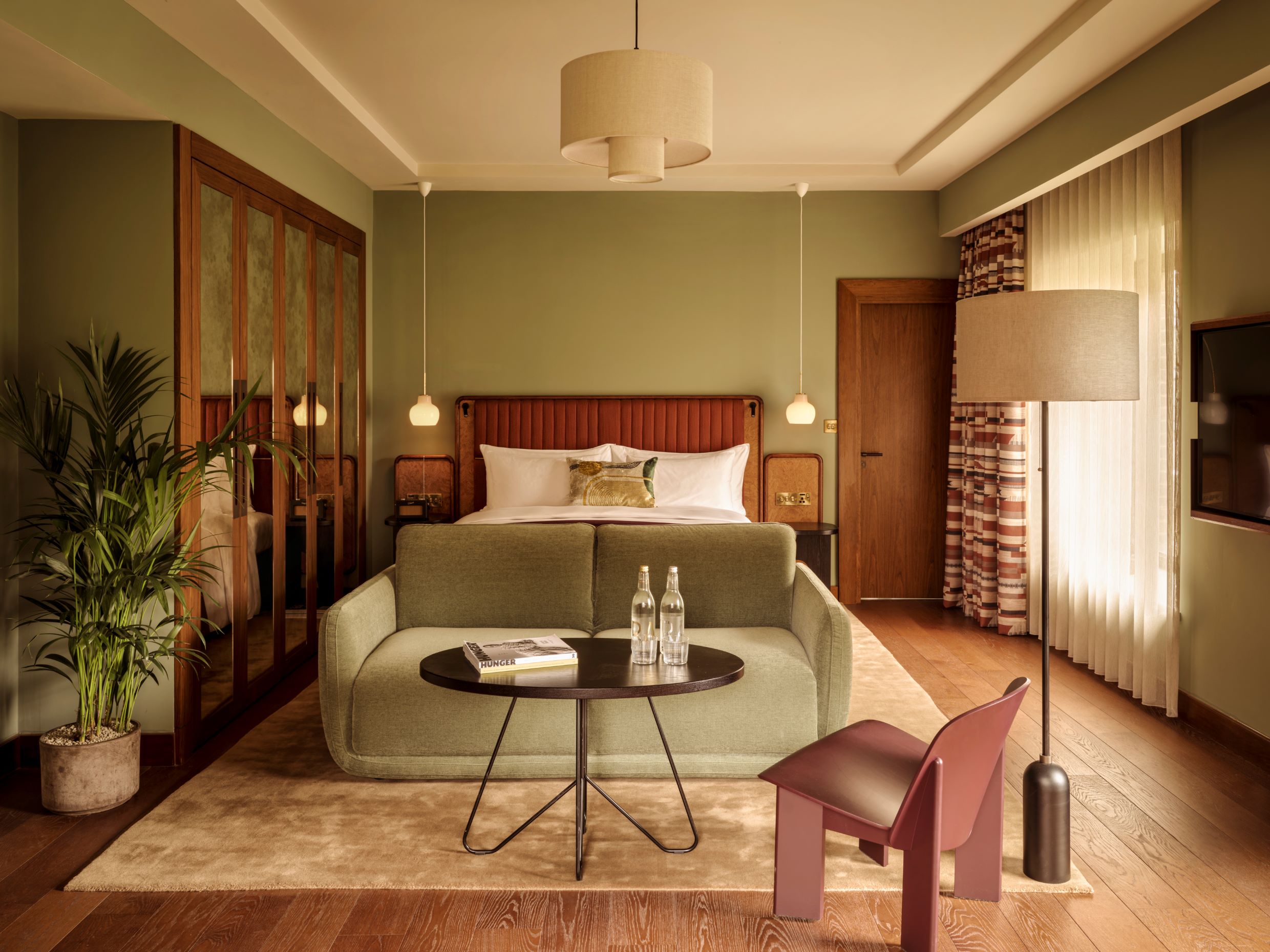
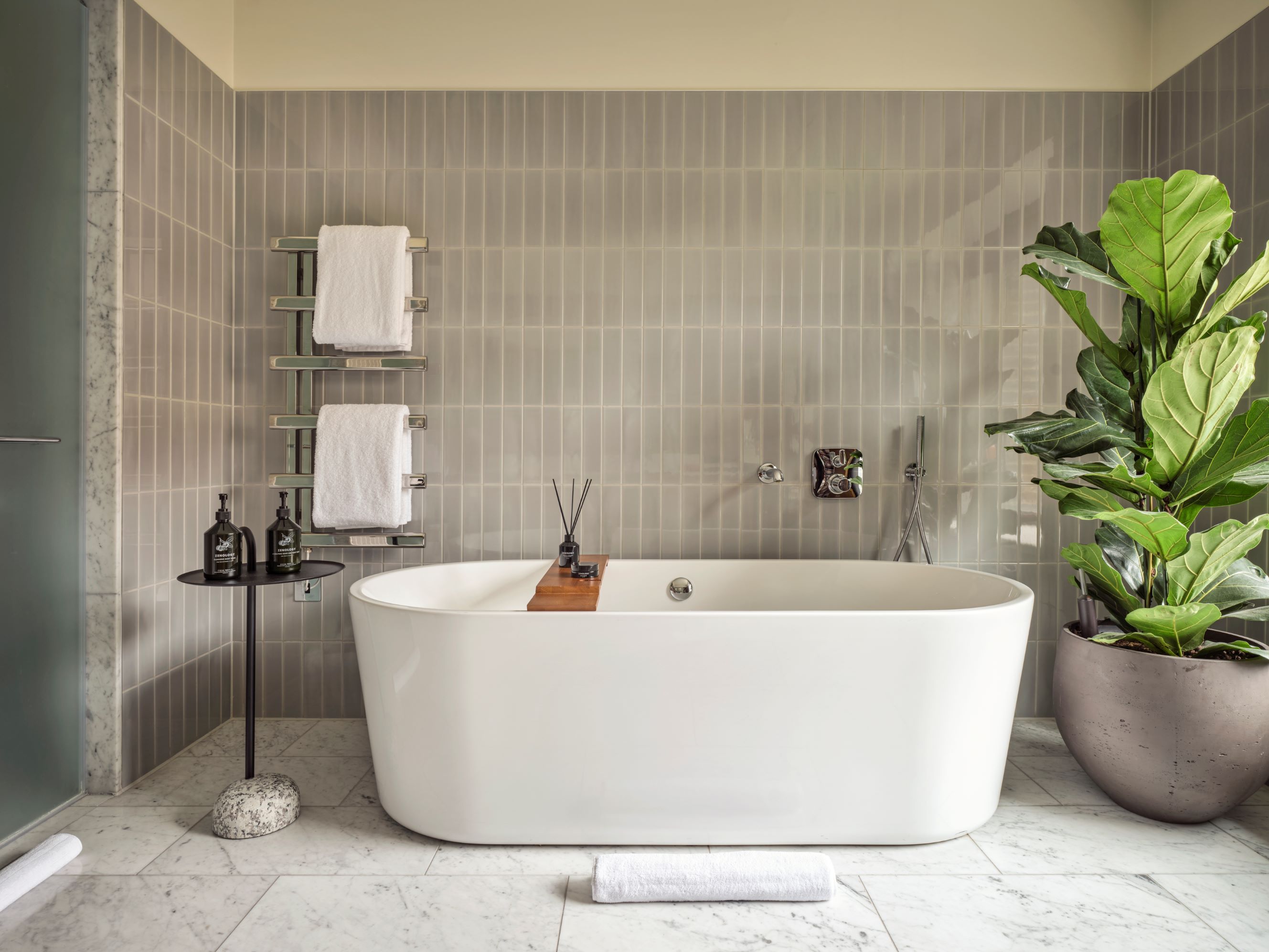
Here, through partnerships with local artists, craftspeople, and selected project suppliers, the group has curated an authentic, welcoming experience.
Under Sircle Collection’s stewardship, the property has a new lease of life, honouring its historic roots and infusing it with a fresh, creative spirit.
Bringing this welcoming atmosphere to life are the hotel’s esteemed project partners and suppliers.
The beautifully tactile furniture and case goods found in the guest rooms and the lobby are provided by Castlebrook, whose meticulous craftsmanship ensures each piece is perfectly suited to its setting.
ATN Contractors have contributed their expertise with exquisite woodwork and joinery, adding distinctive character and warmth to the public spaces.
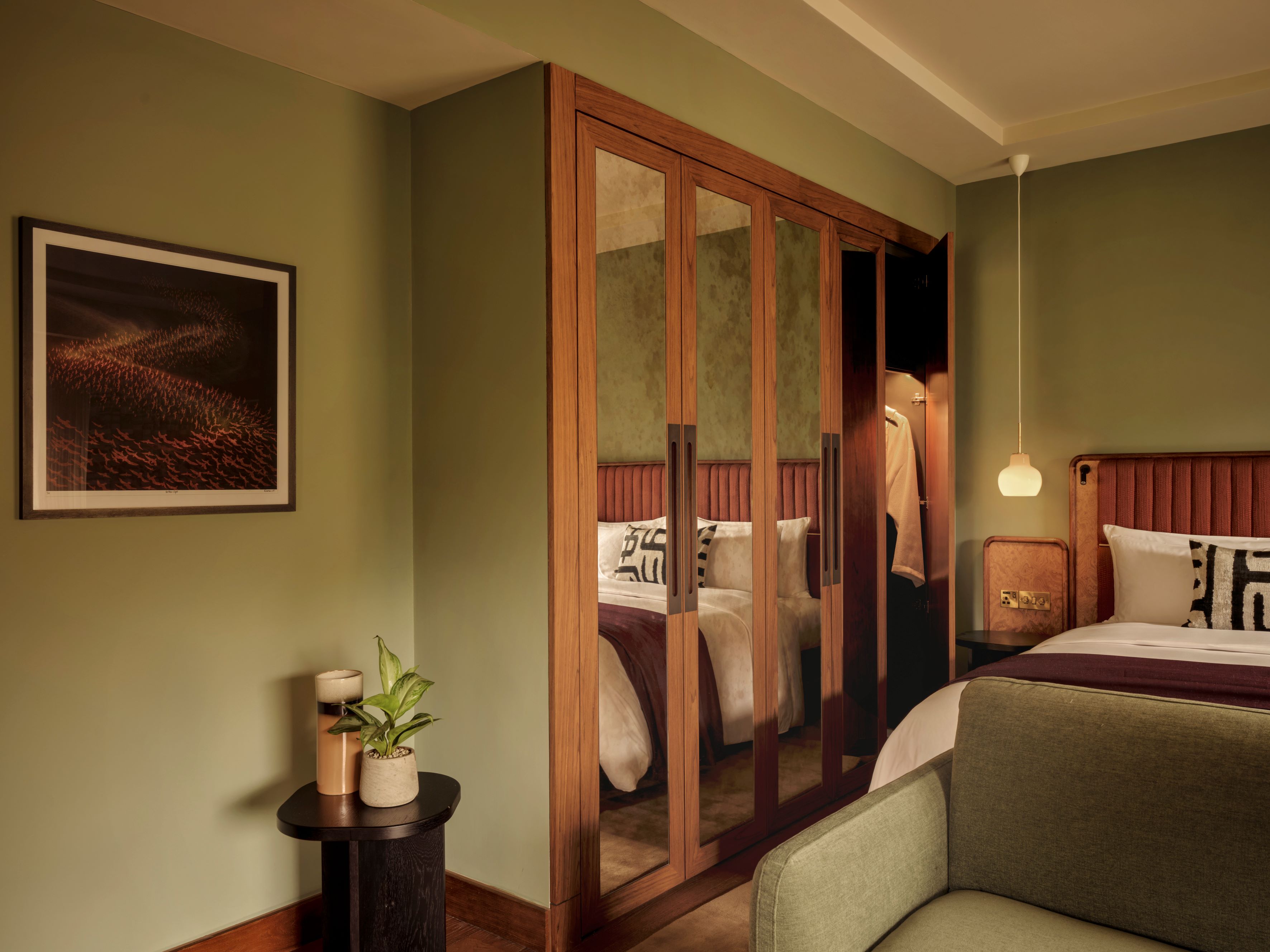
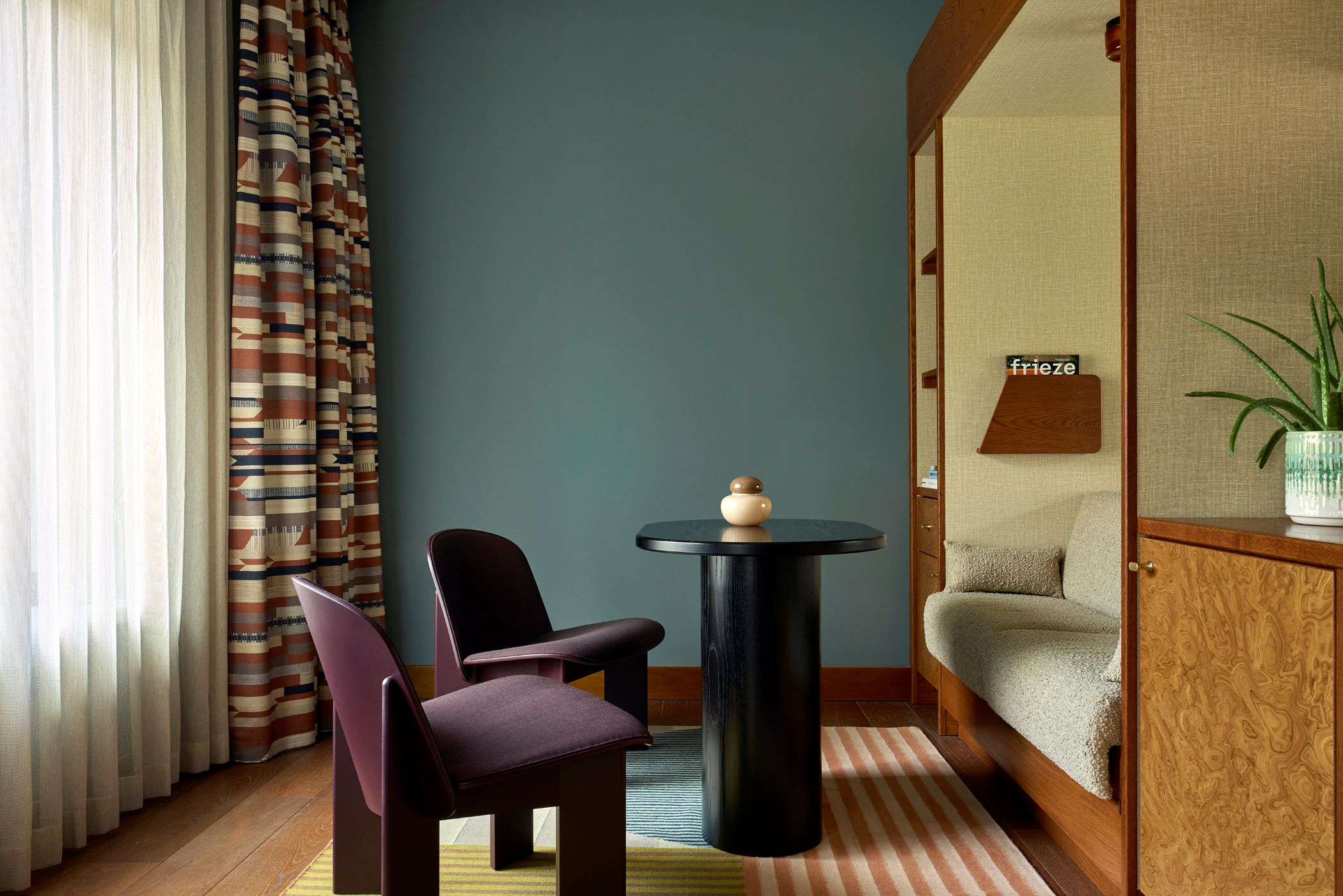
In the guest rooms, the hotel’s appointed interior designers, Maison 191, have collaborated closely with skilled artisans to create custom joinery, ranging from the impressive headboards and cabinetry to hidden mirrors, and each detail is a delight.
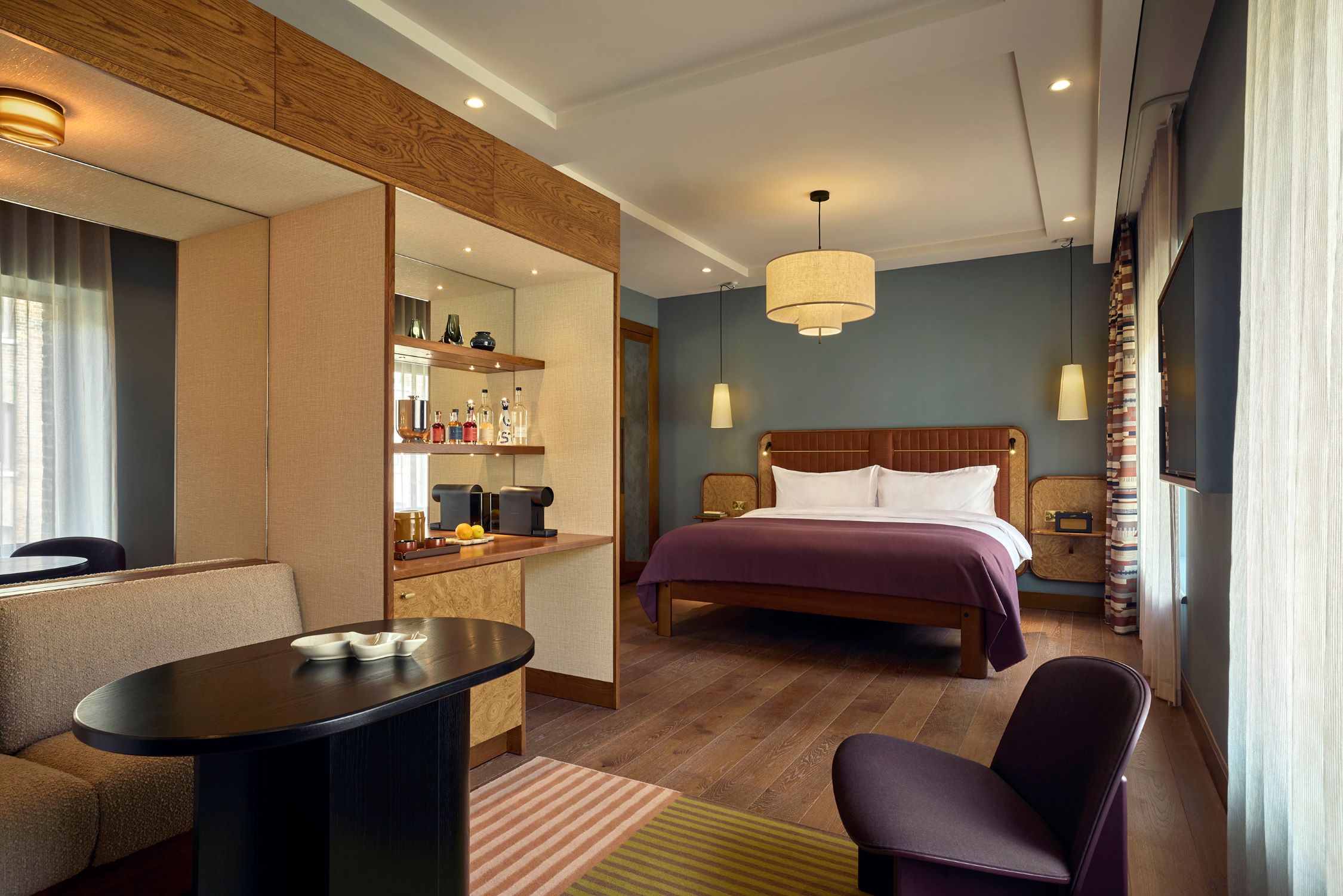
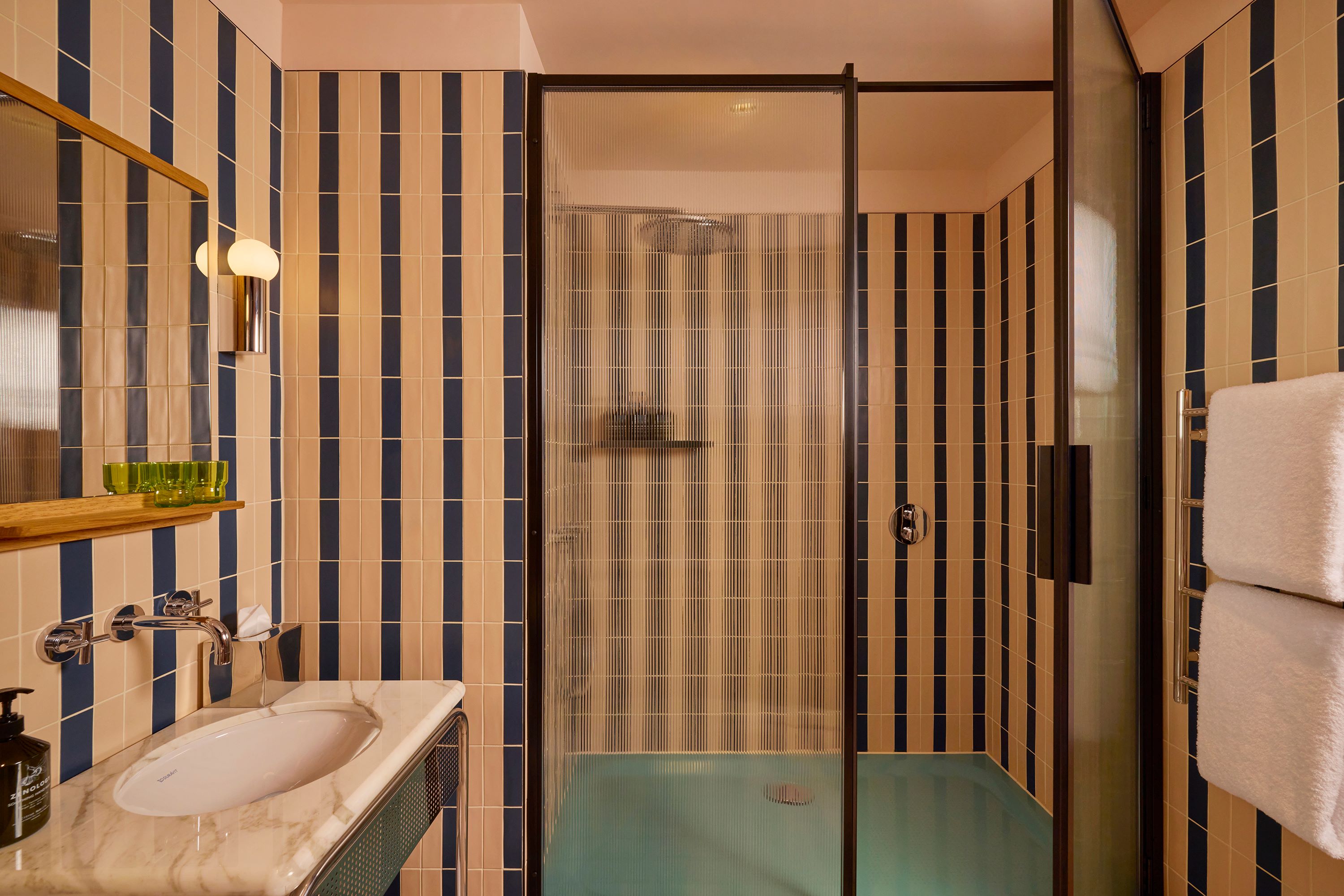
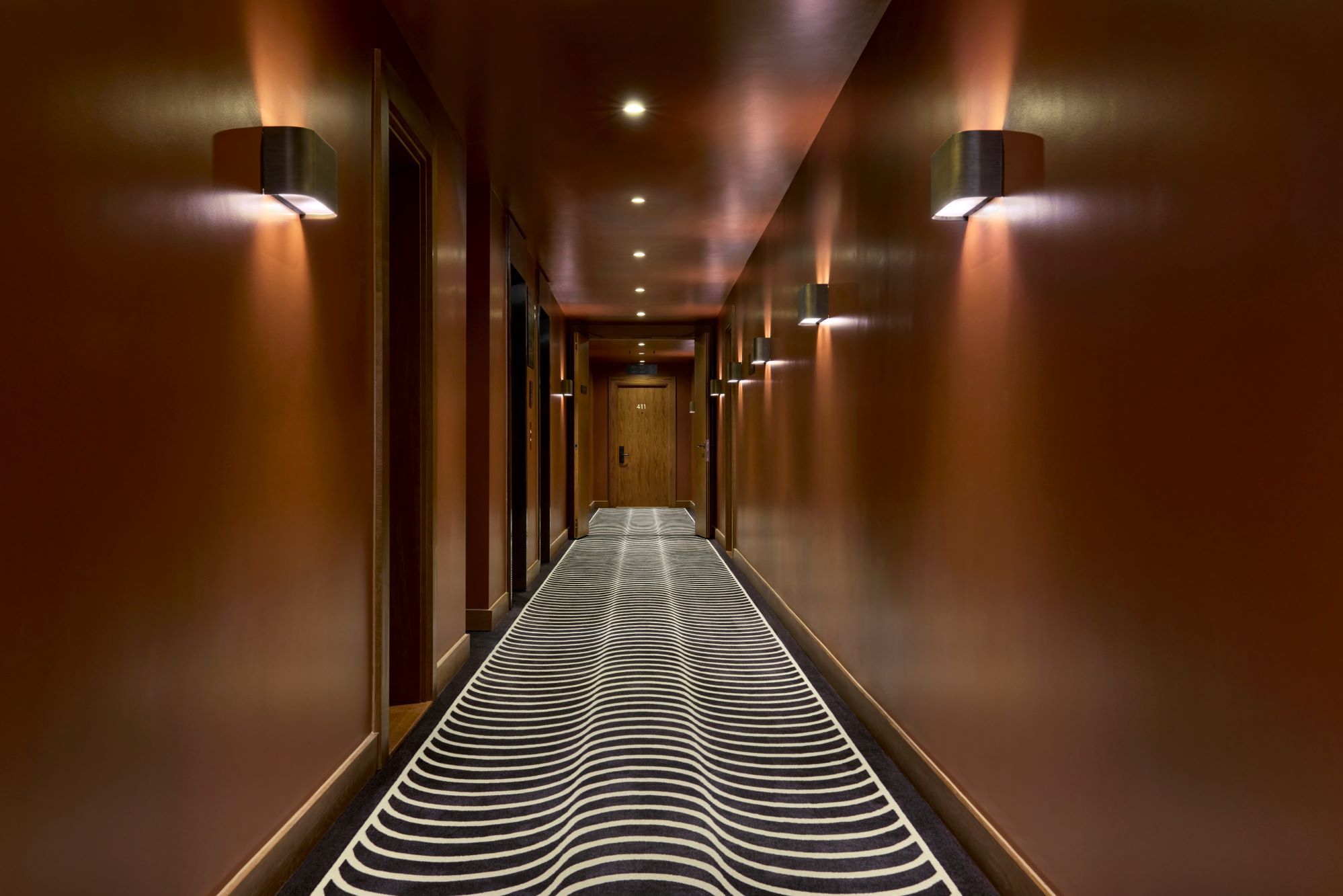
Stealing the show, patterned monochrome carpets have enhanced the visual appeal and add acoustic comfort throughout the corridors, with a more subtle design in the guest rooms.
Every space is layered with comfort and thoughtful touches.
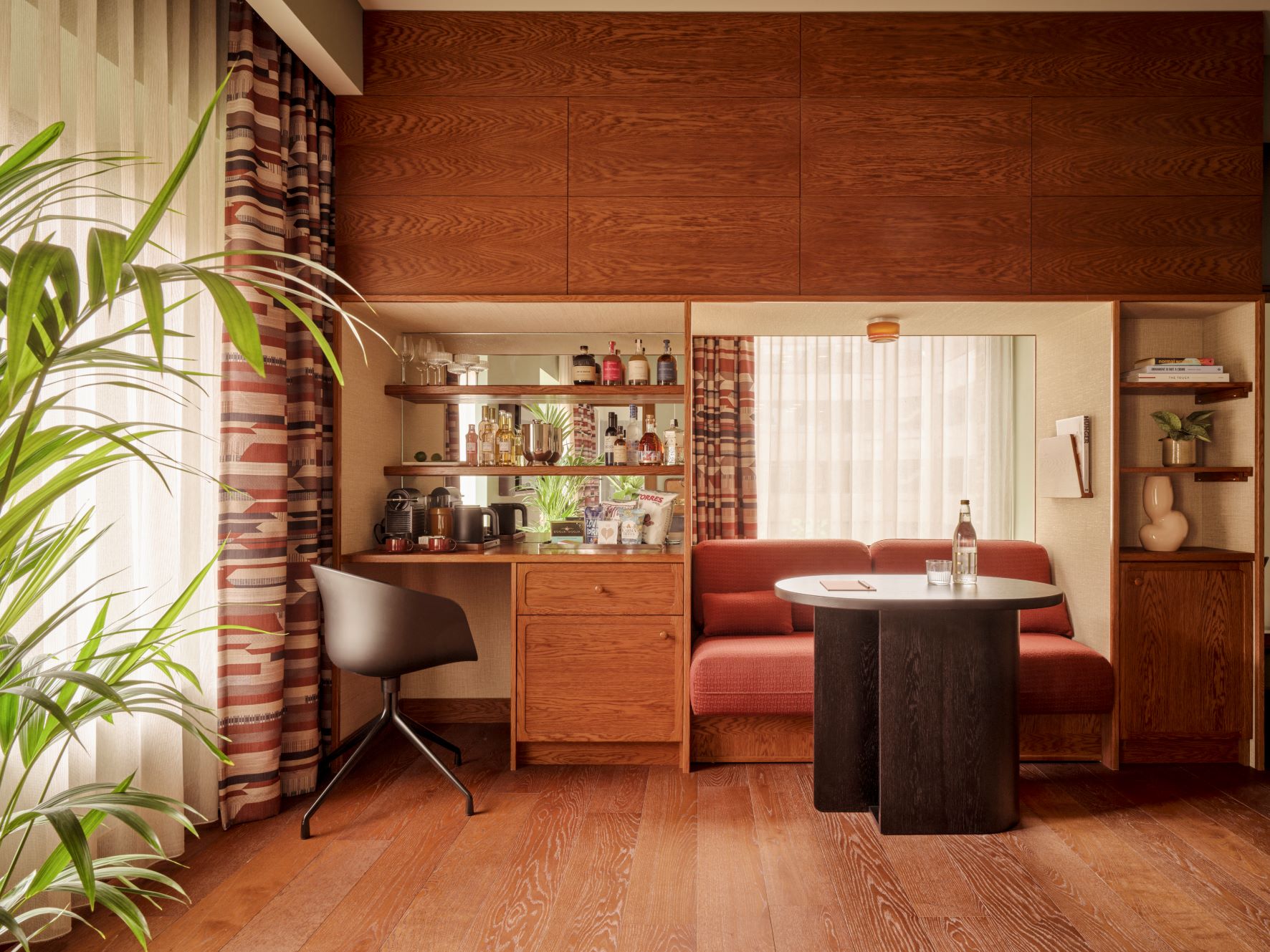
Window seats with views of the ancient courtyard invite peaceful pauses in the guest rooms, while recessed reading zones offer private retreats.
And lighting is more than mere illumination—it’s part of a layered experience.
Signature pieces from Santa & Cole, Astro, RBW, and Vaarnii set the perfect mood and highlight the wealth of architectural detail.
Material selection, patterns, and textiles reference East London’s rich textile heritage, shaped through collaboration with local artisans to ensure authenticity and a welcoming atmosphere.
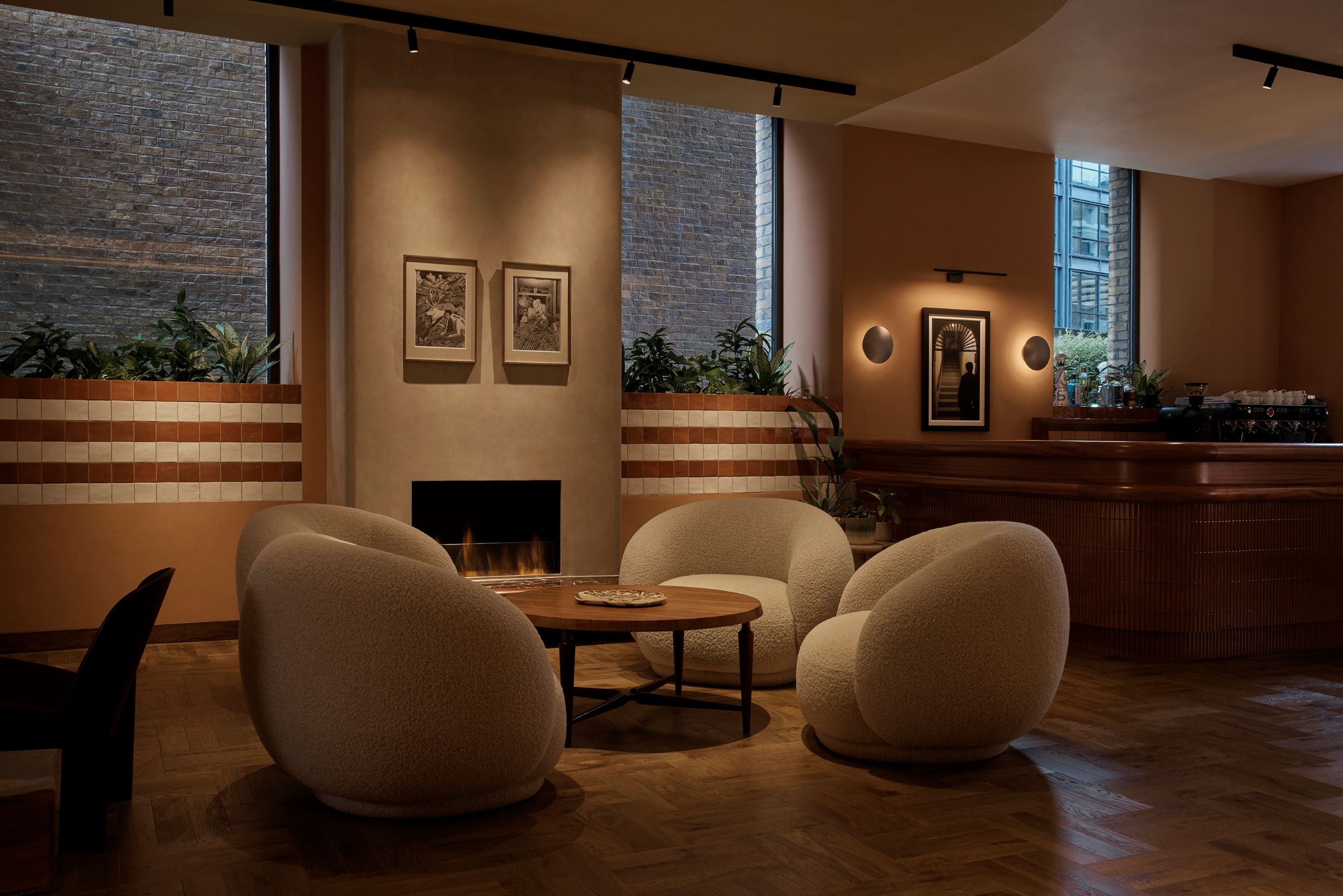
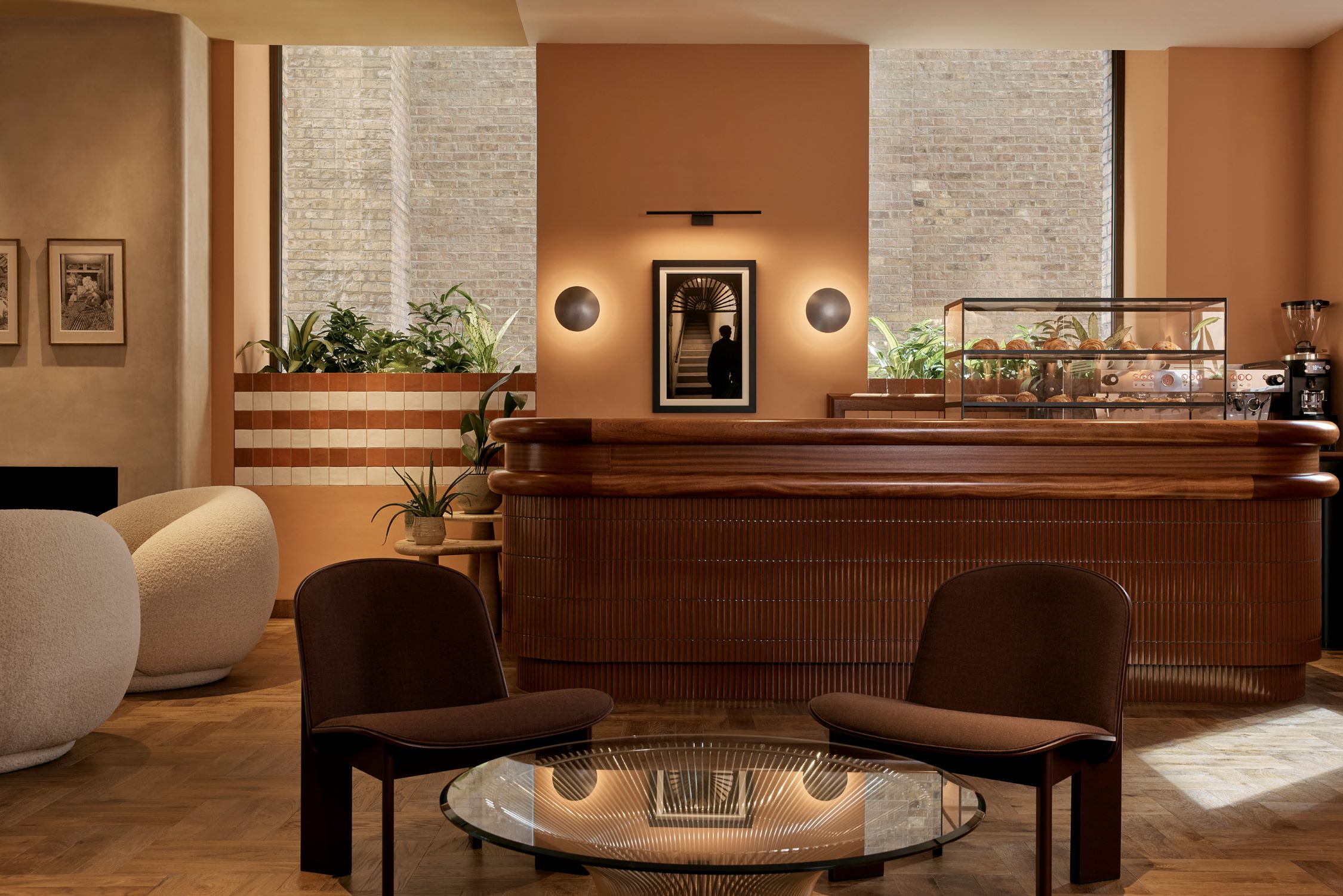
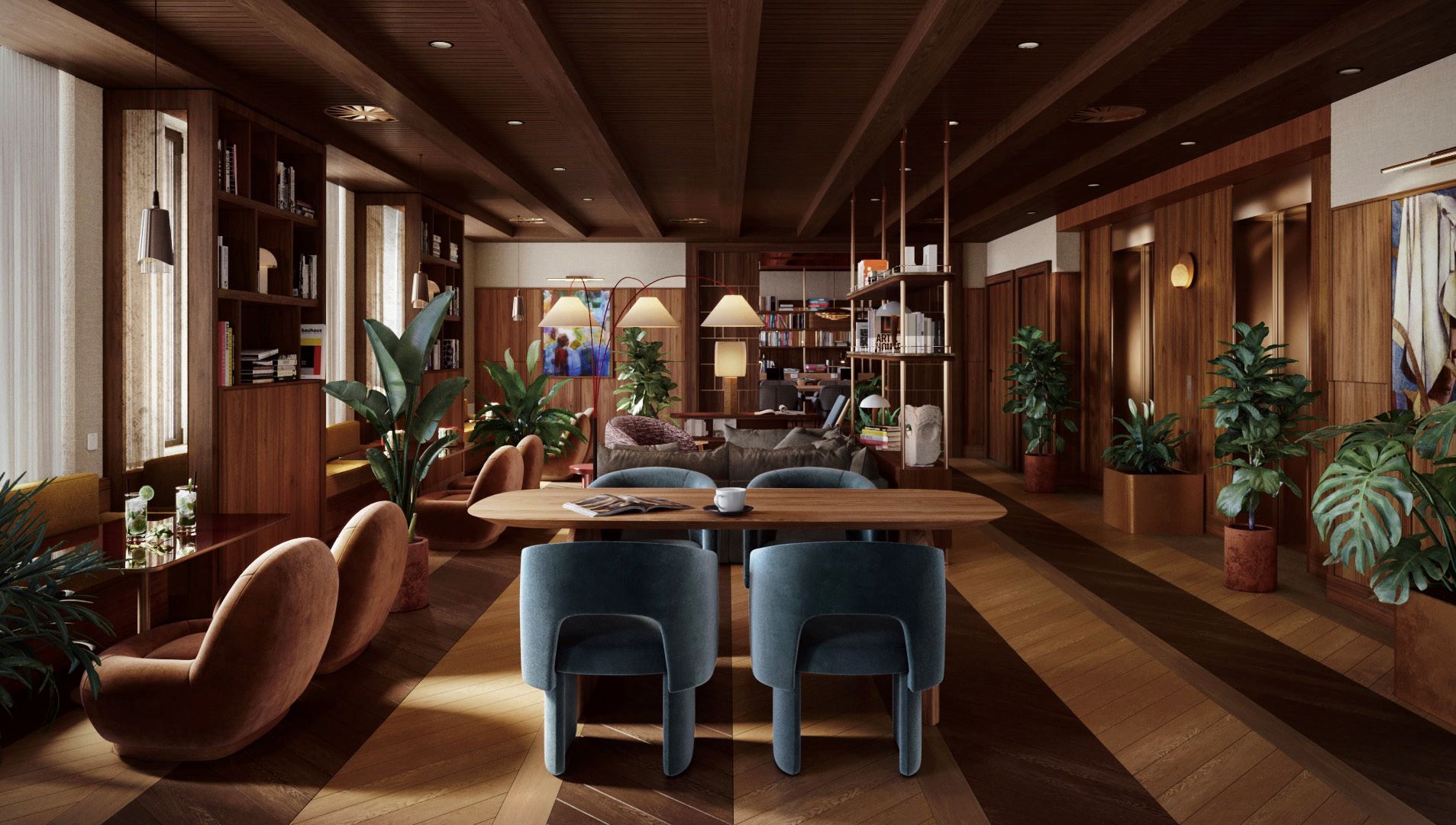
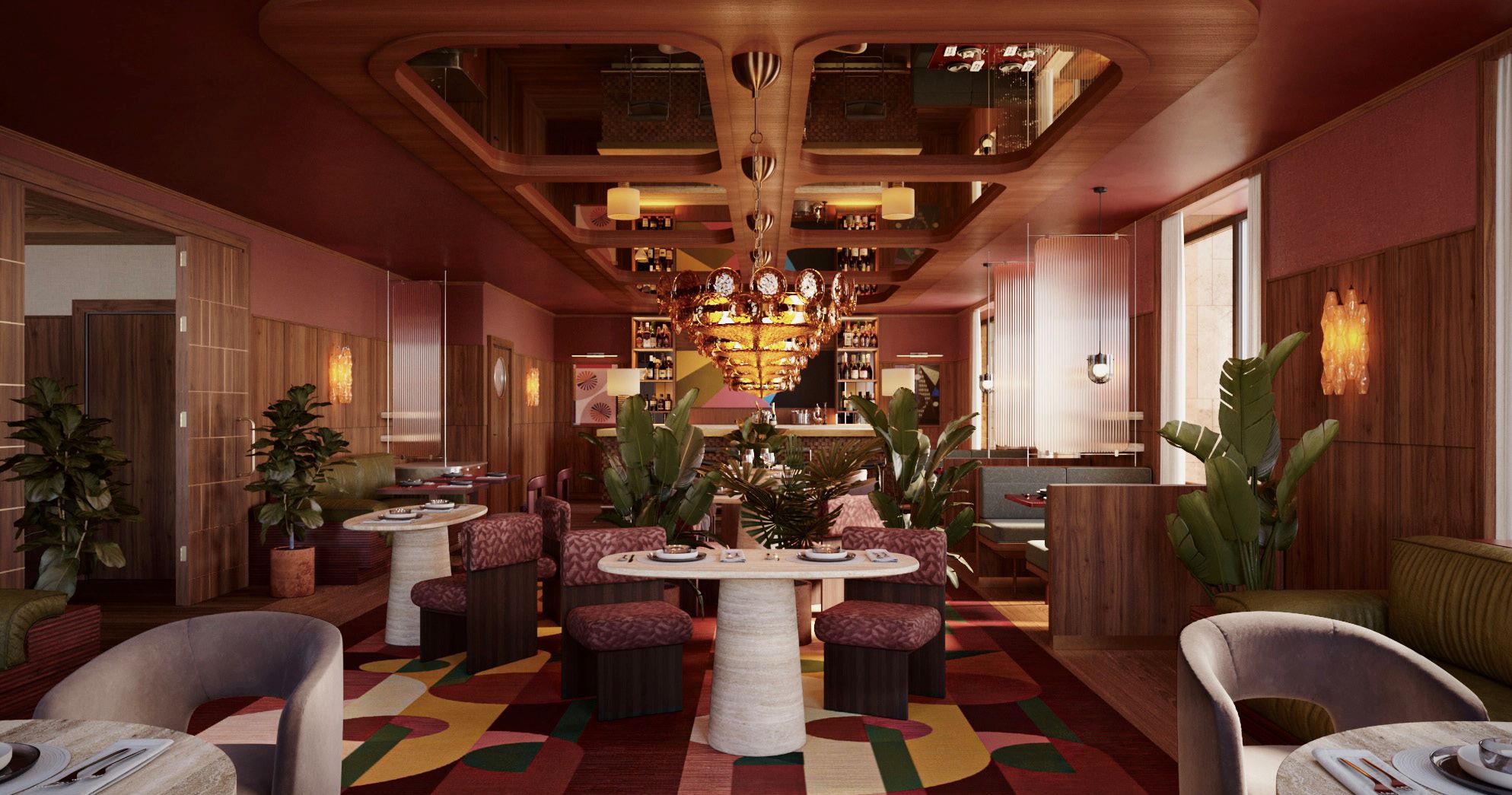
Designer Sam Wright, founder of Maison 191, credits a variety of architectural and interior influences that have helped to shape the project with the work of architects like Quincy Jones, John Lautner, and Richard Neutra serving as key references, especially in shaping the lobby and lounge.
These areas have been re-opened into large, flowing spaces, a gesture that both honours the building’s industrial past and reintroduces its identity as a warehouse.
Furniture throughout is both practical and a joy to use, encouraging guests to settle in, relax, and truly feel at home.
The hotel’s dedicated partners and makers have infused every detail with care, ensuring each space at Sir Devonshire is both beautiful and meaningful.
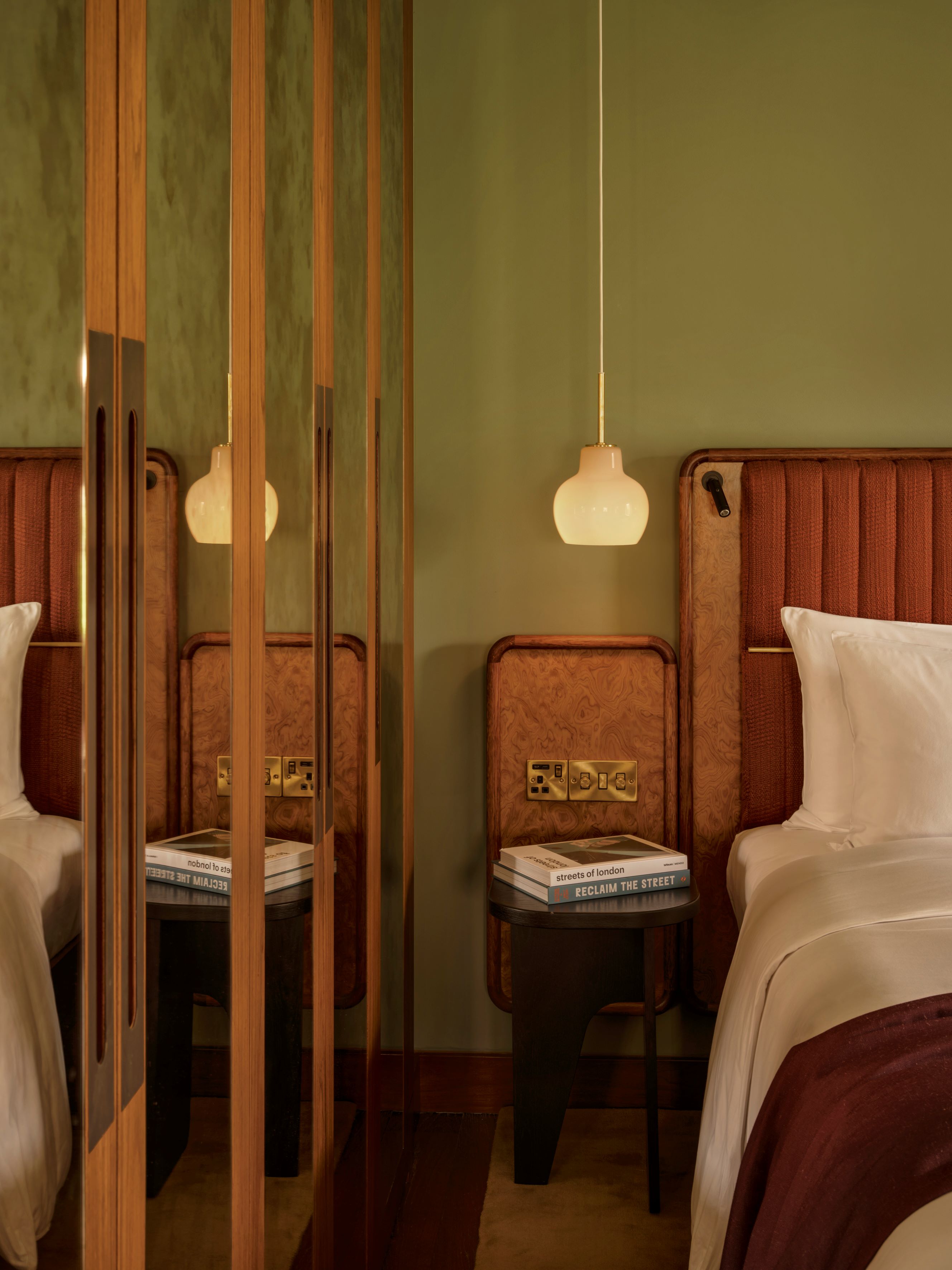
Wright also credits the influence of the late Sir Terence Conran.
Visually, the aesthetic draws from the mid-century, but it also embraces Conran’s idea that design should be fun, unpretentious, and full of personality.
“It is this balance of utility and playfulness that really defines the interiors at Sir Devonshire Square.” stated Wright.
Ultimately, Sir Devonshire Square’s interiors are designed to make every guest feel at ease —offering comfort, inspiration, and a true sense of belonging.
There are several top hotels near to Liverpool Street Station in the City, including Pan Pacific, Aztec, Montcalm Royal London House, South Place and Virgin Hotels Shoreditch.
Sir Devonshire has arrived quietly and settled without fuss.
It is not complete; at the time of writing this review, parts of the hotel were unfinished including a signature restaurant, and a first-floor lounge, a fitness studio and gym.
And yet it is special, a well-run hotel in a beautifully restored building, with staff who obviously take pride in their work.
Even now it fully deserves its place amongst the best hotels in the district.