

an interview with…
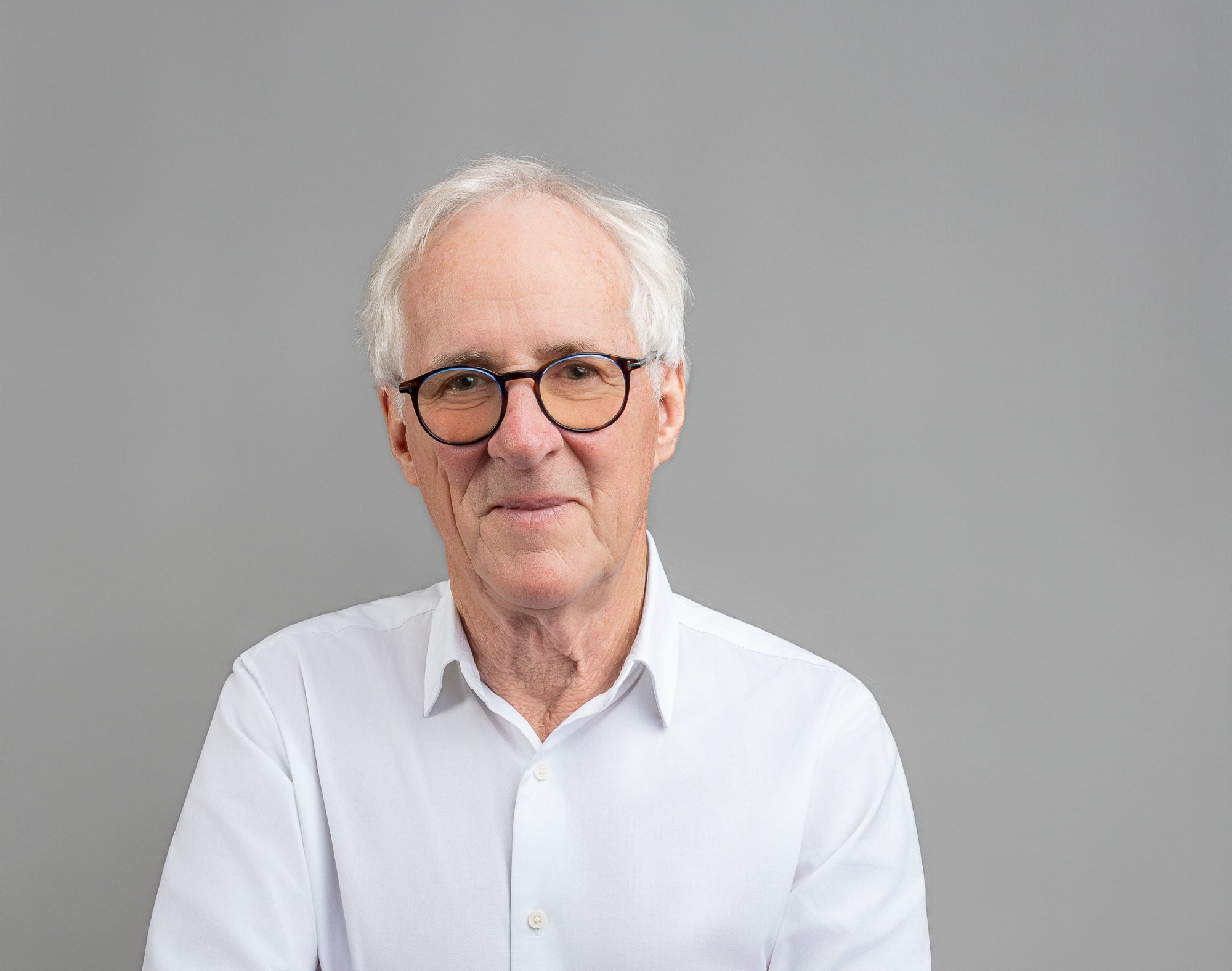
Philip Harrison
Philip Harrison, a longstanding figure in hospitality design, has stepped back from day-to-day involvement in Harrison after 37 years leading the studio.
Over four decades, he has helped define the look, feel and commercial logic of modern hospitality environments, contributing to the evolution of the sector into a globally significant, experience-led industry.
The studio, now a multidisciplinary consultancy spanning design, strategy and branding, continues to be led by CEO Keith Anderson with an expanding international footprint.
GS What made you choose a career in hospitality design?
PH It chose me! I took my degree and qualified in design although, initially, I did go through a succession of fairly boring, office-based jobs, totally unrelated to design. Hospitality Design was still a relatively new industry. But the first ‘proper’ job I had in design was with an agency named after the founders, Gibson & Tibbatts, who worked exclusively designing nightclubs and discotheques. They worked from a converted chapel on the outskirts of Redditch, and it was a lot of fun. But then the partnership split up and I ended up working with Niel Tibbatts. I stayed with him for ten years.
GS What kind of hospitality projects did you work on at the beginning?
PH This was in the early 1980’s and during that time we’d moved into working with pubs, and Whitbread became a big client. Licensing laws were being relaxed then, and we started to develop what were termed as ‘venue’ pubs, which were really late night entertainment venues. This was a success as we were changing the style and purpose of some of their failing pubs.
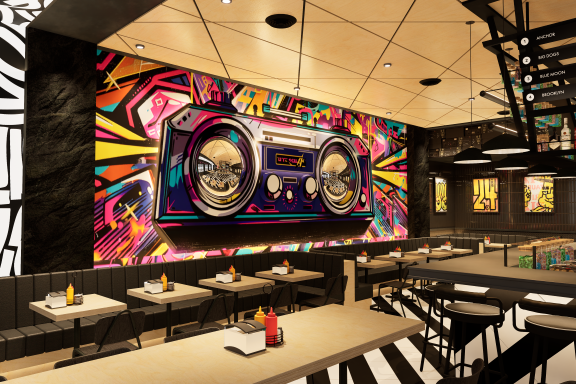
And then, with Whitbread, we started to redevelop the Beefeater steakhouses. We helped to create really theatrical and fun spaces at Beefeaters which were perhaps a little ahead of their time. It’s interesting to see that this attitude to design has returned with brands like Circolo Popolare. It’s like we’ve gone full circle, and we’ve gone back to designing places that are massively entertaining.
GS What was your first contract as Harrison Design?
PH Well I started from scratch. I couldn’t pre-plan anything, and I wasn’t willing to contact the previous clients I’d worked with as I felt that would have been morally wrong. So, without any clients, I started to work from my car and home until I found office space and I did manage to get two jobs. One was a pub project for Morelands Brewery, who no longer exist, and the other was for Bass Plc. Later they split their businesses up and the trading name for the pubs and restaurants became Mitchells & Butlers.
GS Who inspired you in design in those early years?
PH Nobody working directly in the pub market. There just weren’t many specialist pub restaurant designers around then. I was certainly influenced by design in general and I think everyone who worked in that era would have to recognize the impact of Sir Terence Conran. Not just for his influence in the retail sector but for his restaurants too. They were glamorous but also good value for money.
GS How important is design to the success of a venue?
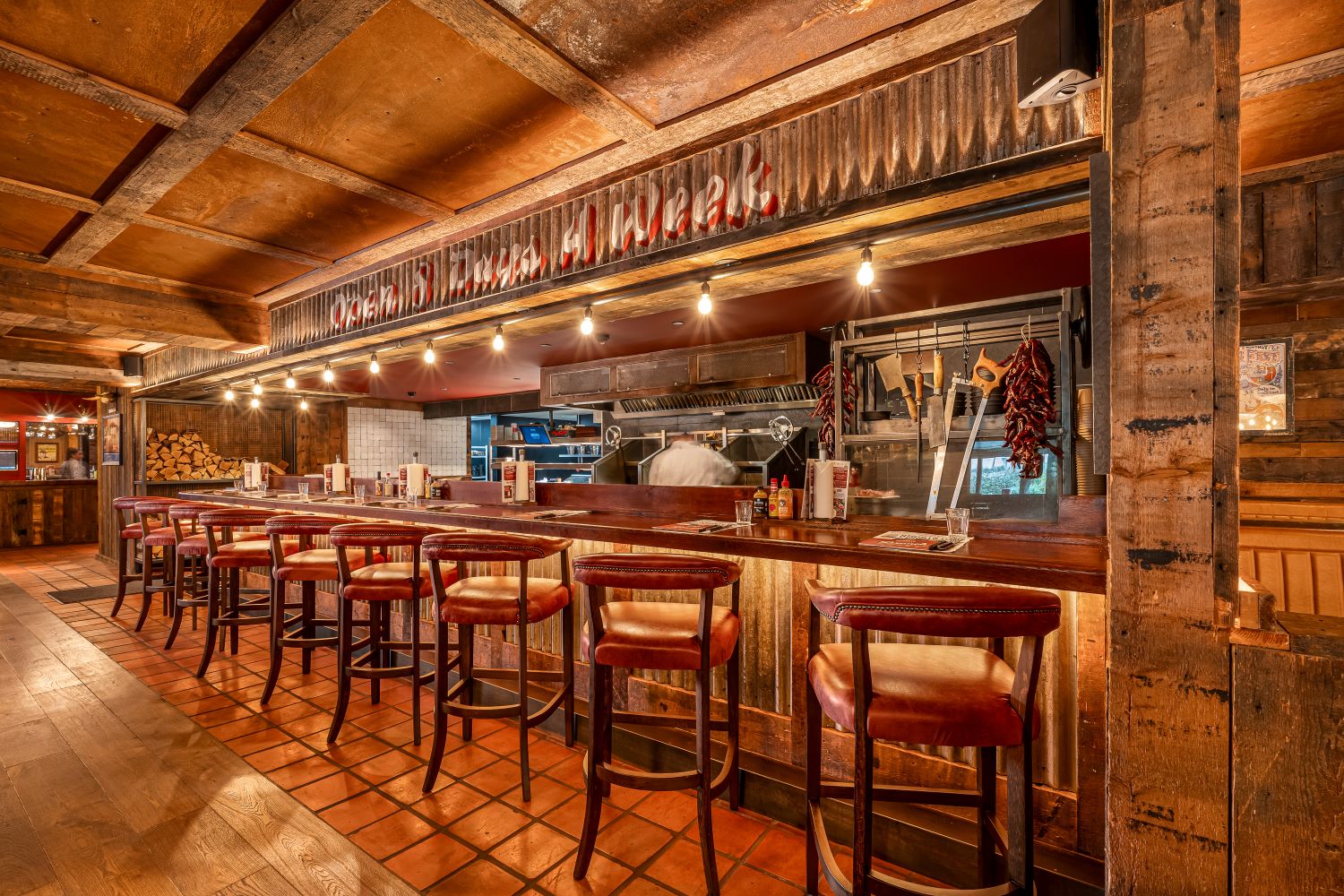
PH It can never be all about what we do as designers. All we do is to provide a backdrop. It can be entertaining and elevating for customers, but it is only a stage, as it were. It’s really all about the food, the drink, and the service. In London, for example, one of the most successful pubs with restaurants is The Eagle in Farringdon. It’s completely under-designed, and hasn’t changed in 35 years and yet it’s as busy as ever. Try getting a table at 12.30pm.
GS Is there more competition for work now than there used to be?
PH Yes, absolutely! There are a lot of agencies out there now. The pub restaurant and bar industries have grown rapidly over the past few decades so more and more agencies have emerged. And in some cases, as the agencies have grown, designers who worked for them have left to start up on their own, so the competition is strong. That competition has accelerated the need for us to grow our service model so we can offer a broader all-round service. Smaller practices who are just interior design based aren’t always able to do that. As a larger agency we have the strength in depth to manage a broader range of services, in volume, and at pace.
GS Do you have a process that you apply with all new jobs?
PH It depends on what point the client is at when we’re appointed. If it’s a new brand, the client may have worked with another agency to help develop the concept, but those agencies may not be able to offer what we can in terms of design and execution. If we are appointed right at the very beginning of a new brand then we will aim to take the client on a ‘brand journey’ to help them develop a brand strategy; to get the positioning right, to ensure brand consistency, to help with the story telling, and so on. And all of that ultimately informs the design. The same can apply with an existing brand that may have become a bit wayward, we’ll look at repositioning the brand with a new strategy. In both cases we see advantage in a single agency owning the whole journey.
GS Are you talking about brands that are tired or out of fashion?
PH Yes. Brands need to evolve. Many brands have had a single manualized design format that they roll out believing this is important for guest recognition and speed to market in terms of store numbers. Thankfully, that way of thinking has changed significantly.
GS Which of your clients are good at staying relevant?
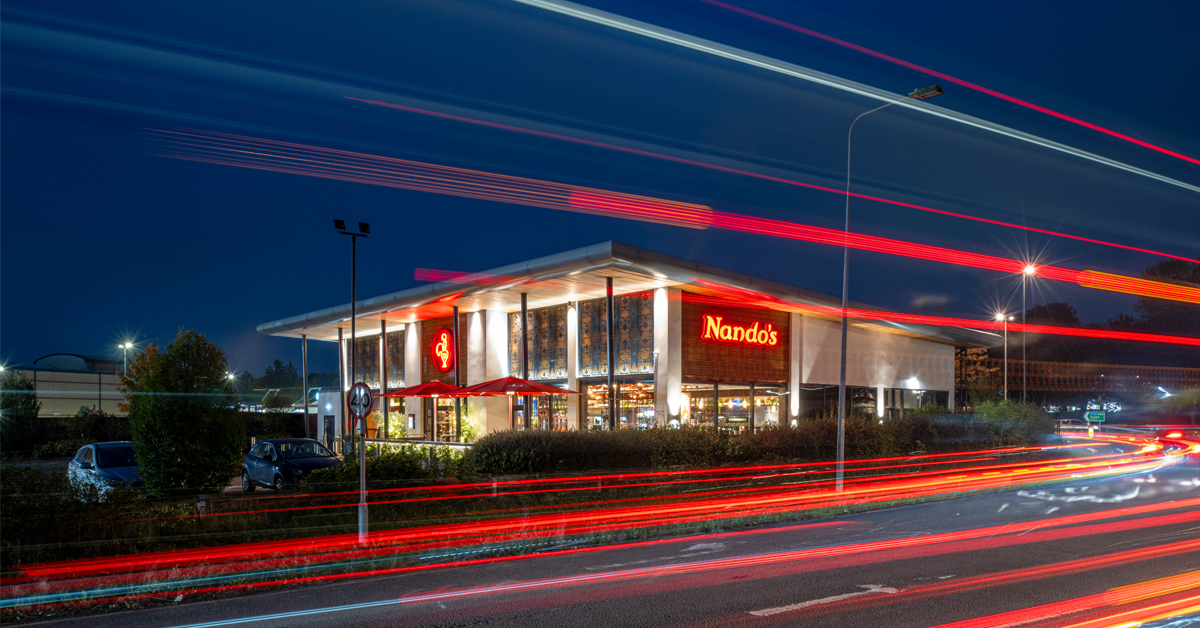
PH Well, Nando’s is a great example. They have never had a design manual! Every new Nando’s is different, and yet you know where you are! There’s consistency in their slightly irreverent culture, their service model and their menu range. But they’ve always been fluid and relevant to today’s market. And they’re great with social media. That doesn’t happen with every brand. I’ve seen brands launch and quickly develop a cult following, but as they grow, they lose that edge and become mainstream. It’s because they don’t stay agile.
GS What makes a good client?
PH For us I think it’s about communication and being made to feel that you’re a part of their team. You’ll always get the best from us when we’re able to collaborate with everyone involved with the project. Good clients understand that and encourage it.
It’s all too easy for a ‘them and us’ environment to emerge because of the contractual nature of the process. To my mind, particularly in terms of hospitality, it’s important that you work with the client and other consultants, almost in a partnership.
The same applies when it comes to the execution of the project and the building. You want contractors and suppliers to feel like they’re part of the team. It’s surprising how much more they can bring to the table in terms of knowledge and experience, if they’re encouraged to do so. And when we’re working as a team, we all become more fluid and less contractual.
A lot of our projects are built at an incredible pace and they are very complex. So that teamwork mentality is vital.
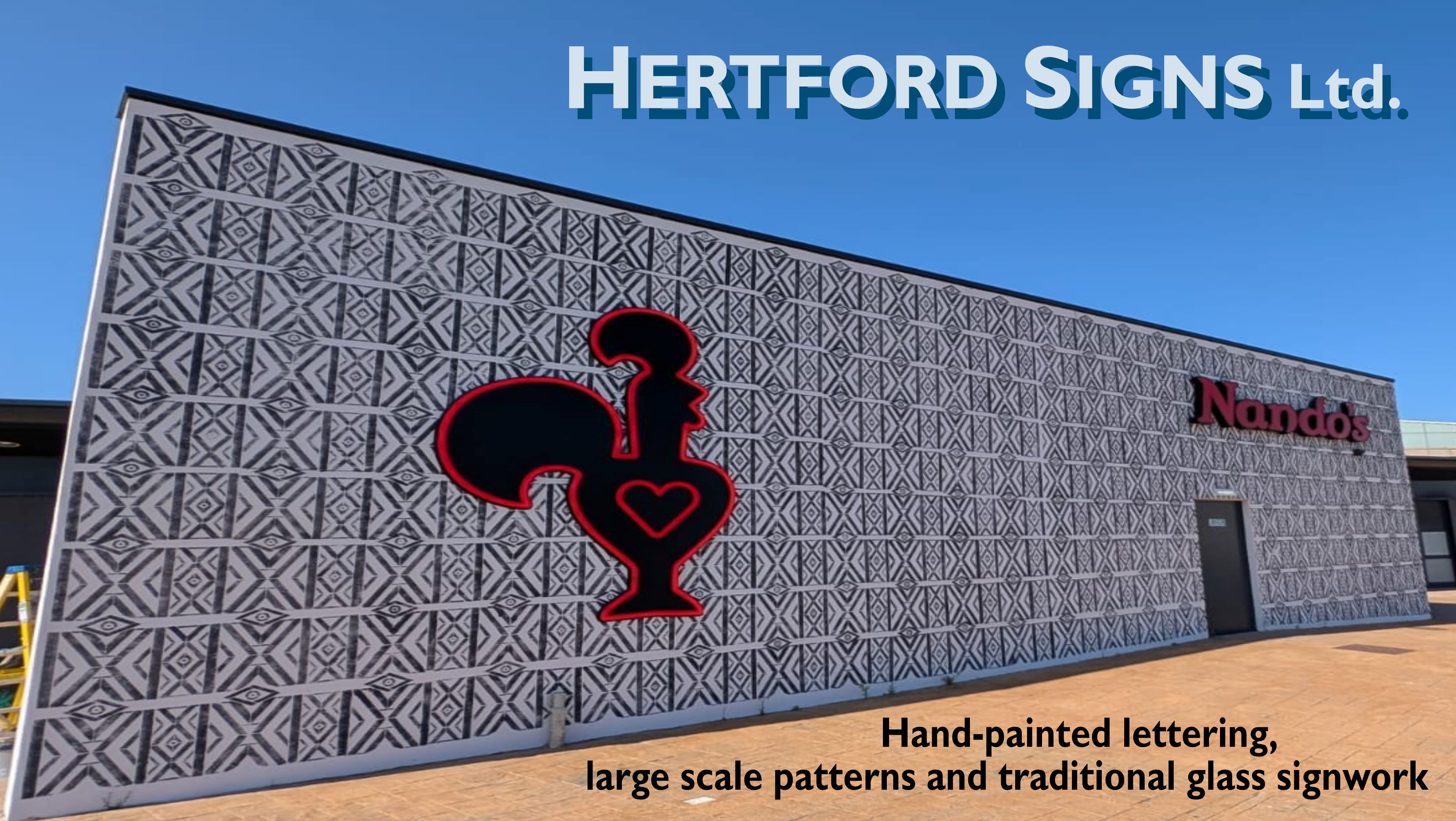
Hertford Signs Ltd. Proud to be associated with Harrison projects…
GS As a designer, you’re expected to have all the answers, but what have you learnt from your clients?
PH We’re learning all the time. At the beginning of any project, we’ve learnt to be good listeners. It sounds obvious but it’s essential to listen carefully to the client. I remember once during a discussion with a client, he said “Always think about three fundamental questions: is it right for the guest; can we execute it; can we make money.” This was from an operator thinking about his decision-making process but it’s relevant to us on two counts: one is that we should always be considering the right solution for the client; the other is that we should allow clients to influence our own thinking.
GS You have offices in America and Australia. Why did you expand the business abroad?
PH It was opportunistic. We’d been working for TGI Friday’s, which is an American brand, rebuilding their Birmingham restaurant, which was their first site outside of the USA. The restaurant had been badly damaged in a fire leaving just a shell. So, we were starting there from scratch, and we decided we wanted to reintroduce some of their core values from when Fridays was first launched here. We felt that the offer had been diluted over time, so we reinstated a lot of the memorabilia that it was famous for, but in a newer way.
We then had a call from the Global CEO in the US, who asked us to come and look at the brand in the States, as it too needed refreshing. We were quite surprised to be asked as there are numerous agencies in America and some are very good, but we do work slightly differently to them, and the Board of Friday’s were impressed with what we did here in Birmingham.
GS Is that when you opened your offices in America?
PH One of the guys in the UK, Keith Anderson, was keen to move there with his wife. So, we set up an office and he ran it. It made sense to do that because the hospitality market in the States is significantly bigger than in the UK so having a base there was important. And it grew from there. Keith did a fantastic job in the States and he’s now the CEO of the whole company.
GS What about the offices in Australia?
PH Well we had a Design Director, Paul Wainright, working in our office in Dallas, he also came from the UK originally. He’d gone with his wife, who was Australian, and she was very keen to return to Melbourne. Kieth didn’t want to lose him, as he was such a talent, so we suggested that we set Paul up under the Harrison banner in Australia.
GS Is it harder to recruit good staff here than it used to be?
PH Well firstly, there is more talent now in hospitality design than there used to be. As I mentioned before, our sector has grown alongside the growth of the hospitality industry, which has gone from a billion pounds a year turnover to over sixty billion pounds per year.
So, the pool of design talent is huge. However, the real challenge is finding the ones who understand the level of commitment required. Hospitality design has never been a nine to five job. We need to meet tight deadlines. We may be required to attend site meetings in Edinburgh or Cornwall, followed by early evening strategy meetings in Birmingham on the same day. That takes commitment and real passion. The time is not your own.
GS Are fewer people willing to make that commitment?
PH I understand that in today’s society people are looking for a work-life balance. And I understand that attitude coming from those who are trapped in an office all day long doing repetitively boring work. I think the difference is that I’ve never considered what we do here as simply work. Every day is different, it’s engrossing and hugely satisfying, you mix with creative, intelligent people and often it’s great fun. To me, what we do is a part of life!
GS What do you see as the biggest challenge in the hospitality design industry?
PH AI is an ever-present challenge, and I think it will be integrated more in the future. But I do believe we need to accept it as a useful tool. We are already aware of its limitations; it thinks logically and therefore it cannot replace the human brain creatively. At least not yet!
I read an article about AI recently and there was a quote that I thought summed it up rather nicely. It was about the Arts, and it said something like “You wouldn’t use AI to create a piece of fine art, in the same way that you wouldn’t use a robot to do your exercises for you.”
GS Are you loyal to your suppliers?
PH We are loyal to our suppliers, yes. We believe in building on our client relationships. We see it as a two-way street. Show some respect and loyalty to your suppliers and in turn they’ll be happy to help you out of a problem, should you need it. It should be the same all the way through the supply chain, from the client down. These relationships are what makes a project run smoothly.
GS Do you insist on buying British?
PH That is a tough question to answer because most of our supply chain are British companies but that does not necessarily mean that they aren’t buying in products that are manufactured abroad. When we’re looking to have something made specifically for a project, then we’ll know it’s made in Britain as we’ll be in touch with the maker throughout the manufacturing process and we’ll know where it’s being made.
GS Is sustainability a big issue with you?
PH I think it is. We are environmentally aware and we’ll always look for sustainable solutions in our work.
GS Are you critical of other design agencies’ work in restaurant design?
PH I don’t think so. There are some really good agencies out there so the standard of most restaurants’ design is quite high. I often say that the brand journey should start with the door handle and finish with the flush of the toilet, so the attention to detail should touch on everything.
One thing I do notice is poor space planning. It’s one of the most important things we do as restaurant designers, and yet I notice it a lot. If you don’t get the space plan right, it’s either inefficient for the operators or lacking for the customer, or both, and that can be costly.
GS What’s the best business advice you’ve been given?
PH There’s a phrase I like. It’s something an operator once said to me, and it’s essential to the operational side of running a restaurant, but equally relevant to restaurant design. And that is “be good at the basics”. Everything else follows on from that, I think. Design is highly subjective, so being good at the basics is fundamentally important.
GS What advice would you give to someone starting their career in restaurant design?
PH I wrote a letter to everyone in the company about me stepping down and retiring from the business. And I said, “Be generous of spirit. It will serve you well in your relationships with people.” That’s probably the best advice I could give.
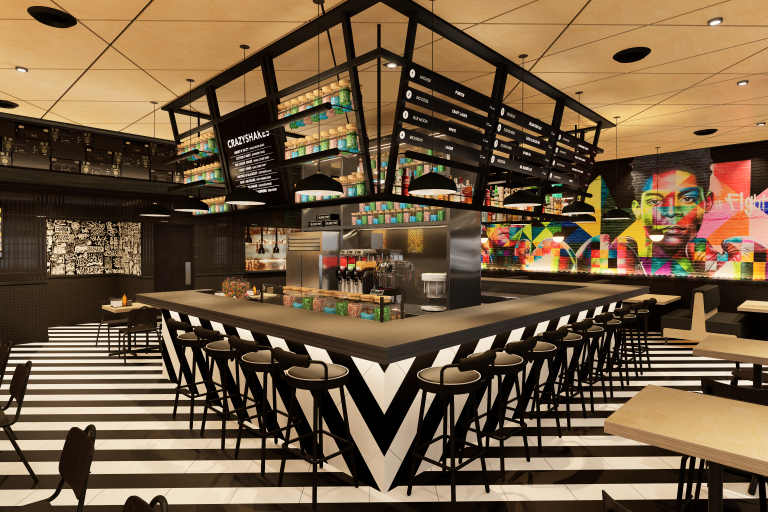
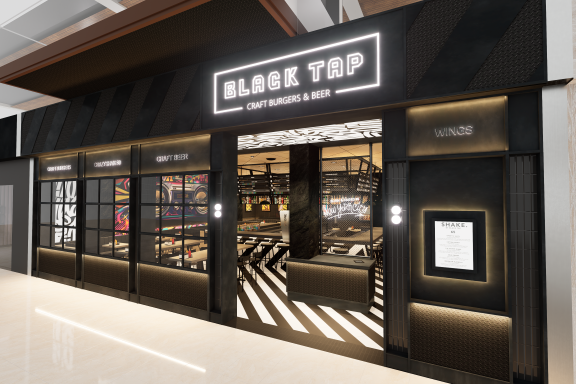
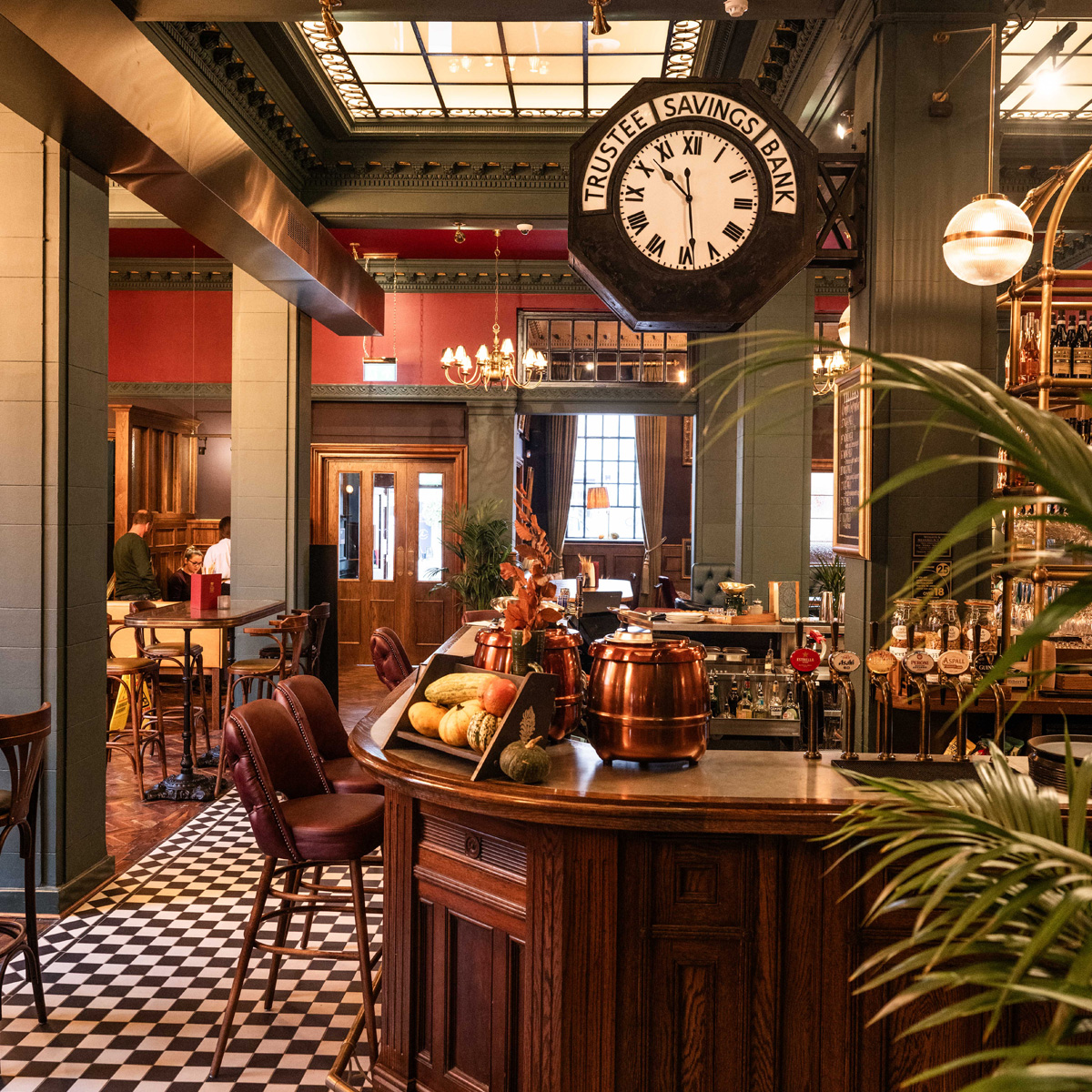
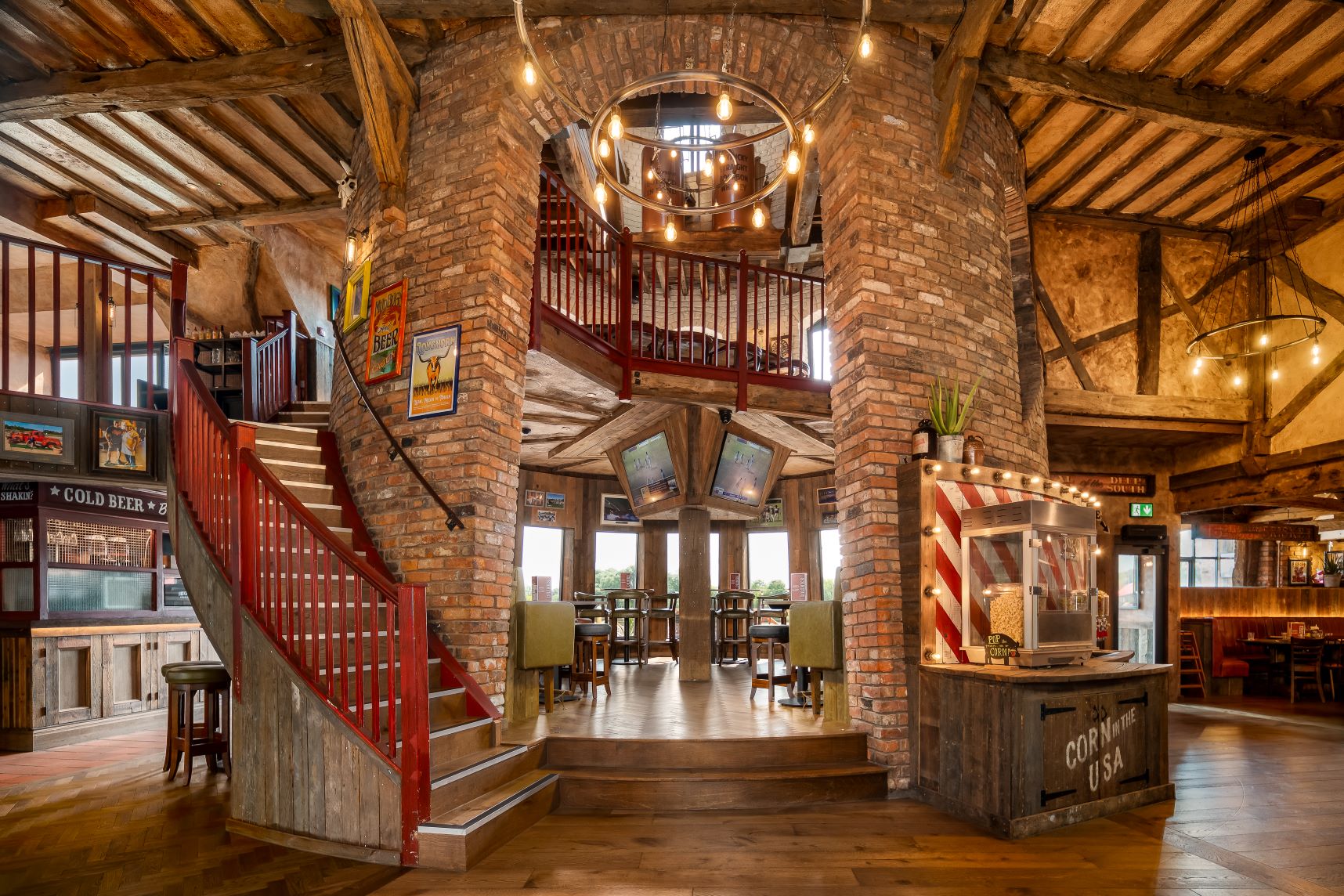
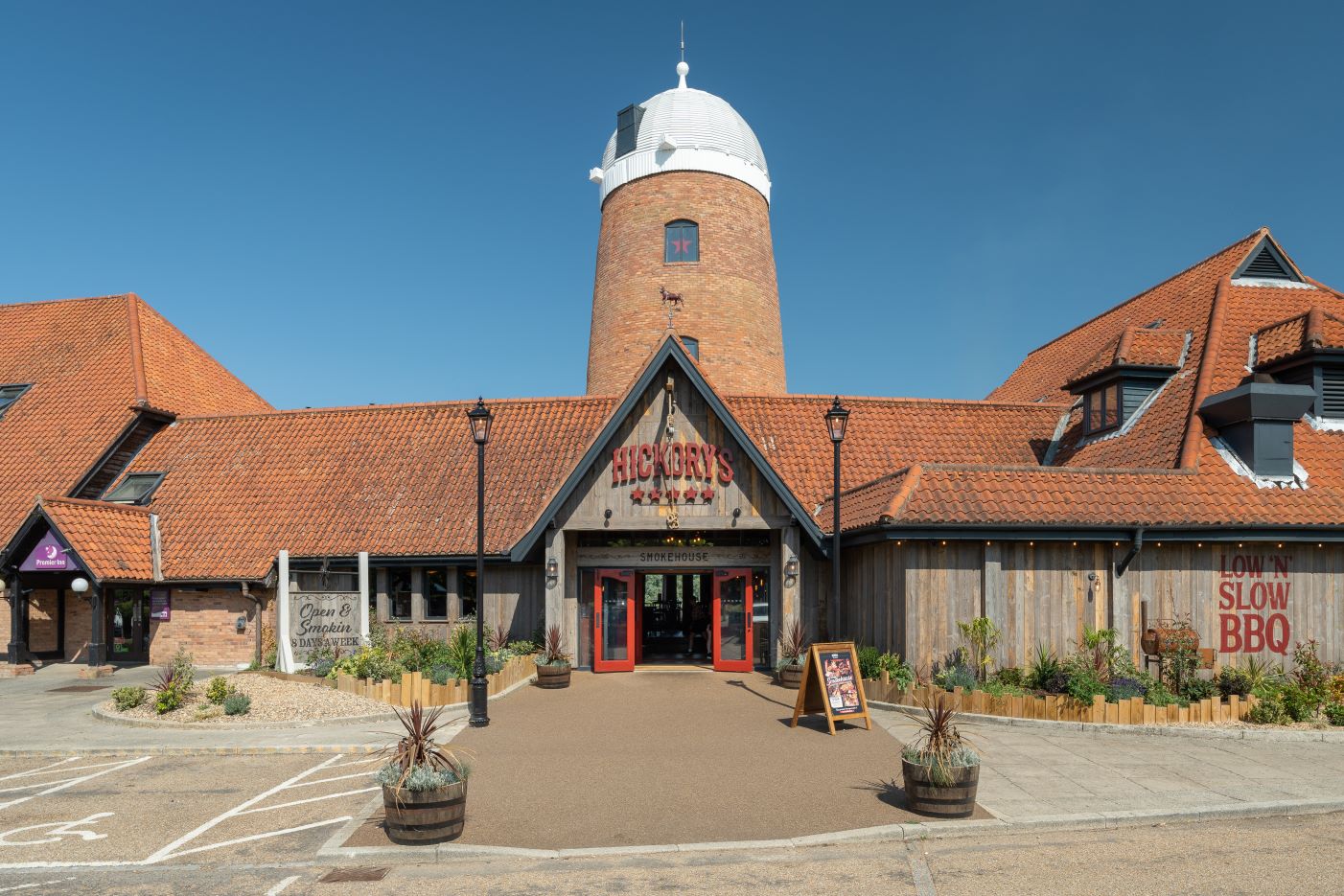
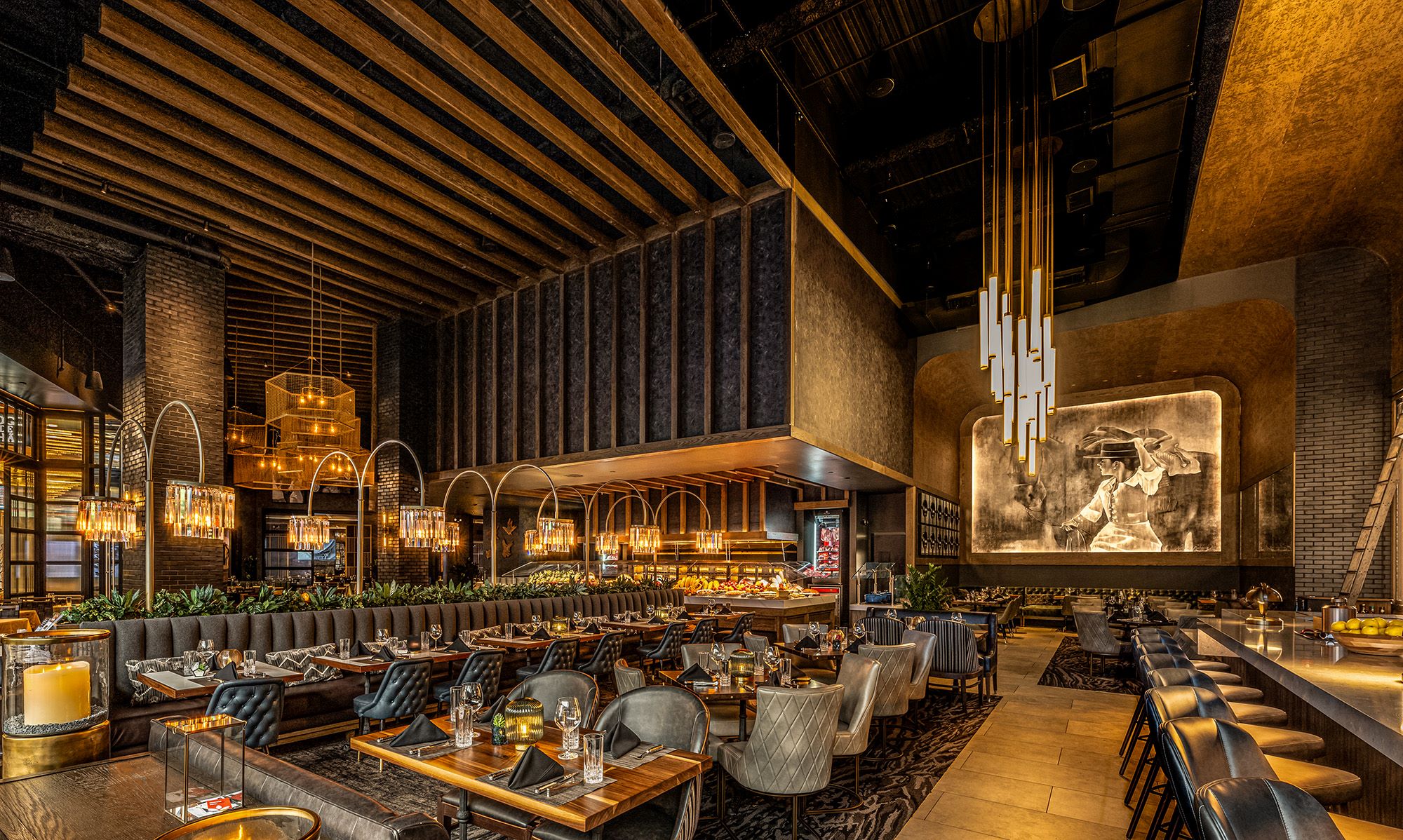
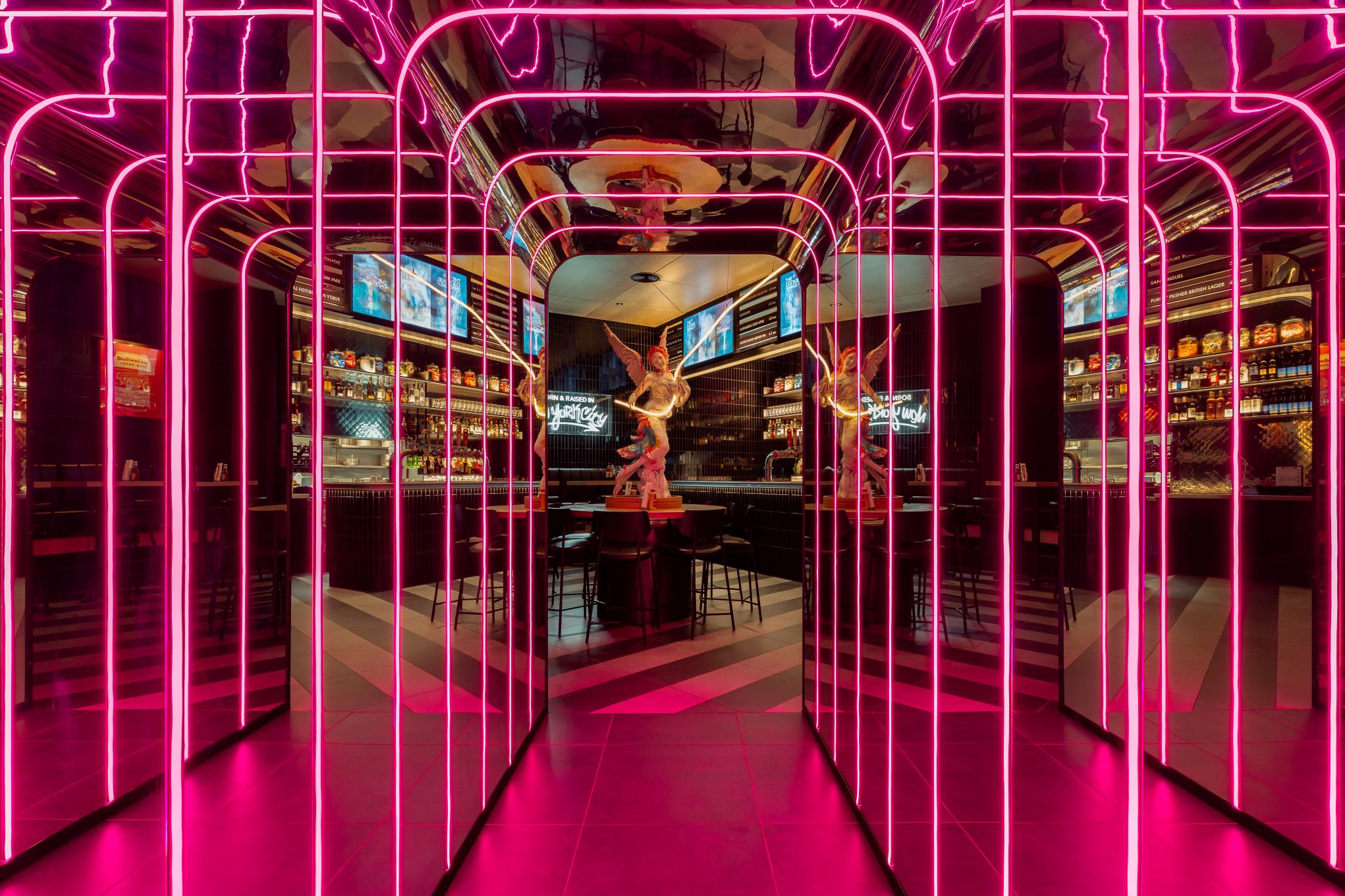
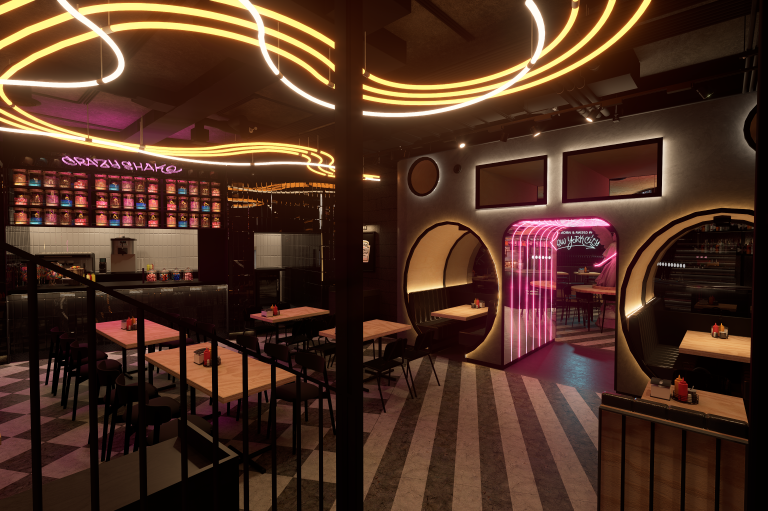
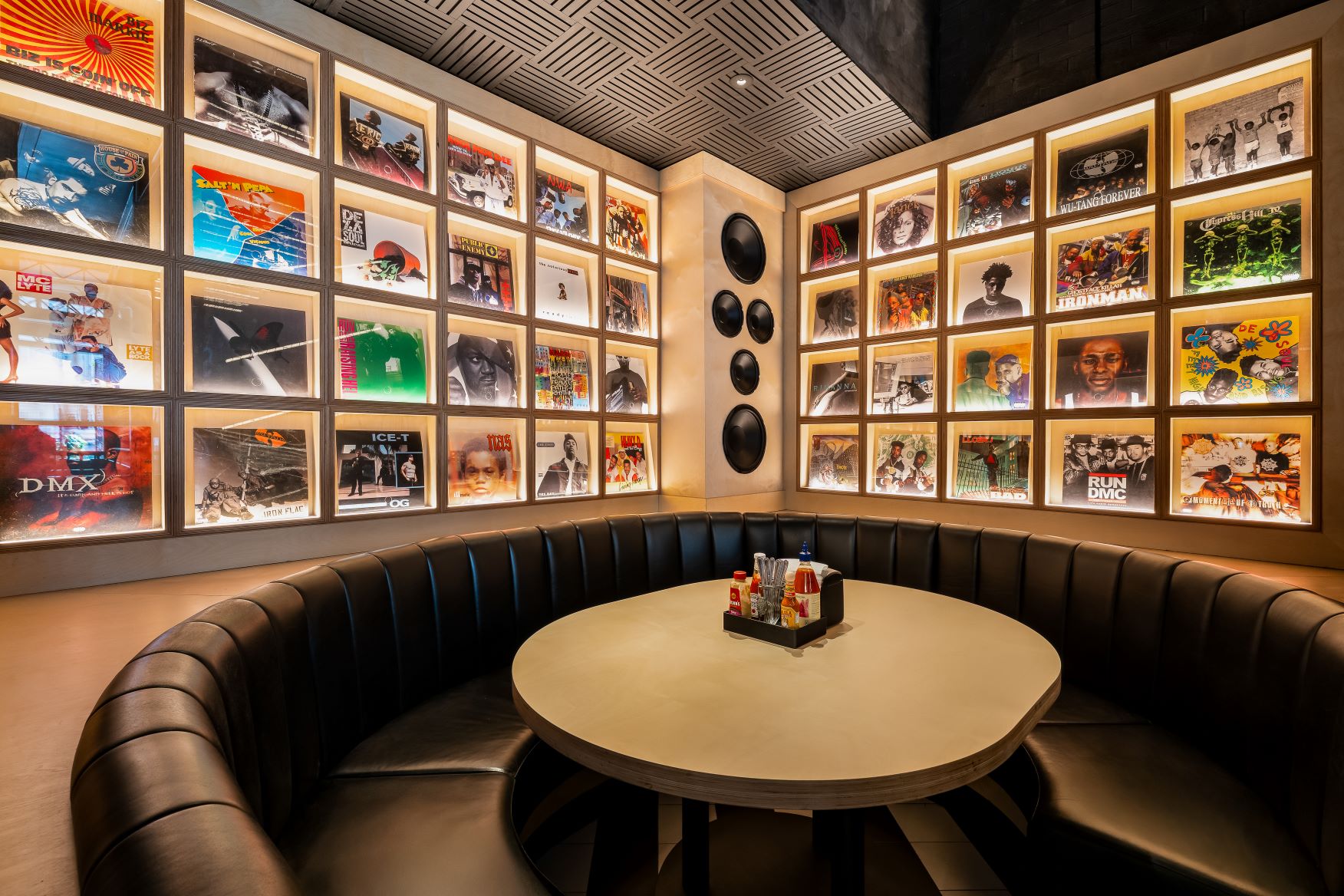
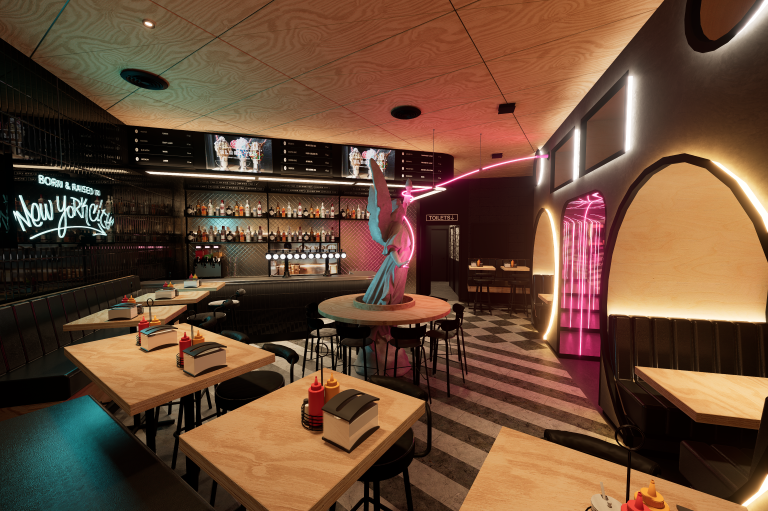
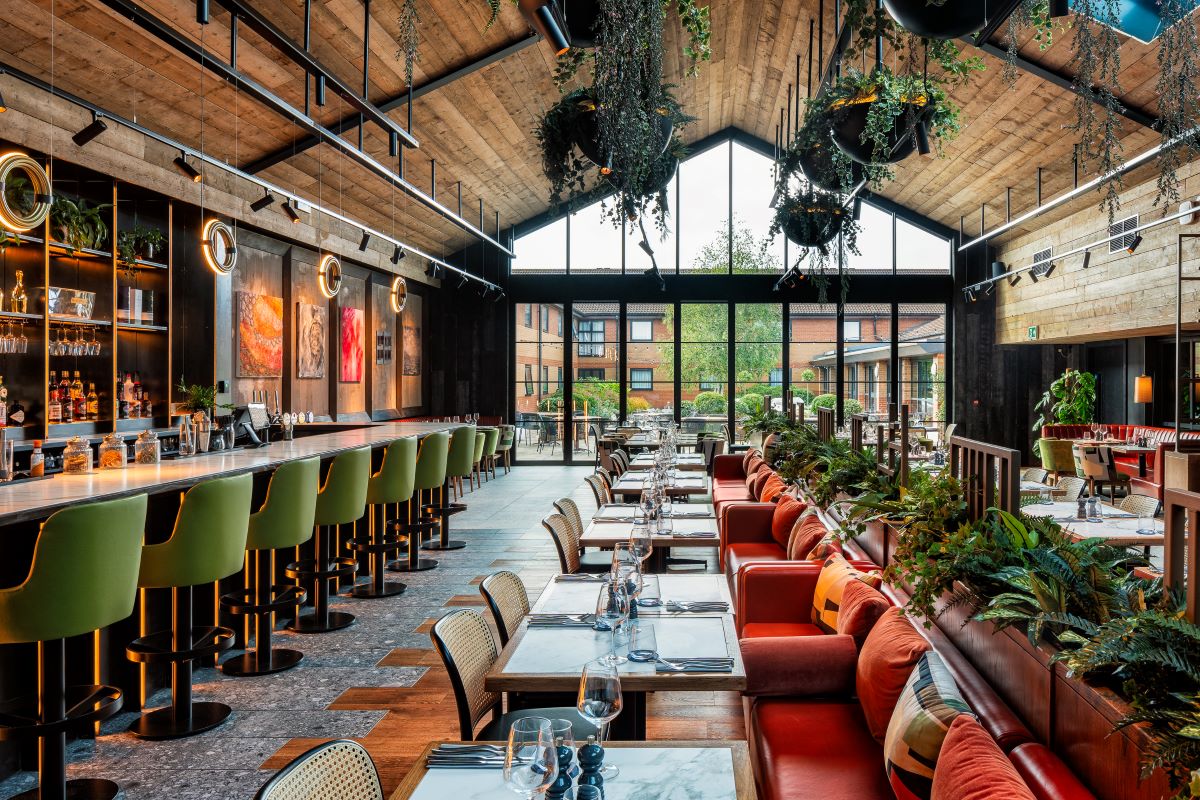
We are grateful for the use of the above images, all of which are supplied by and credited to Harrison