



From five-star terrace to local favourite: How luxury hotels are reframing the modern pub garden
Luxury hospitality has long understood a simple truth: outdoor space is not an add-on- it is atmosphere made visible.
Whether a coastal resort terrace or a rooftop bar in a capital city, the most successful environments are those that feel effortless, composed, and quietly indulgent.
Today, that design language is filtering beyond hotels and into the UK pub garden.
As staycation culture reshapes how people socialise, expectations are shifting.
Guests are no longer comparing outdoor spaces only with other pubs, but with boutique hotels and high-end hospitality settings.
The result is a subtle but important transformation: the pub garden is becoming a designed experience.
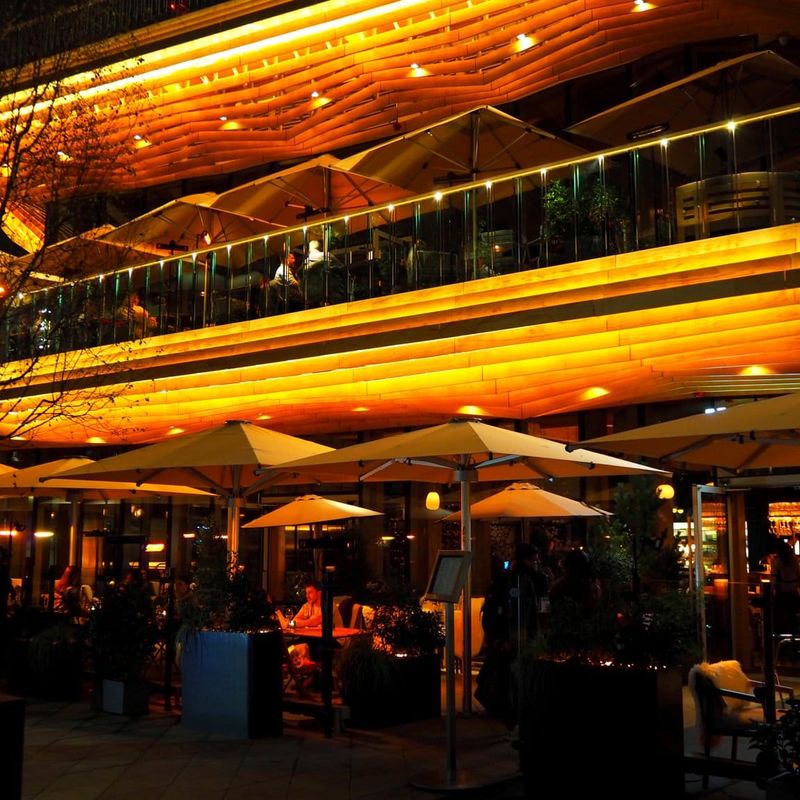
The Hotel Effect: expectation has changed
In luxury hotels, nothing is incidental.
Every element works in dialogue with the next—light, layout, planting, and furniture forming a cohesive whole.
That standard is now influencing the way outdoor hospitality is perceived more broadly.
Guests increasingly expect:
• Defined spatial zones for dining and drinking
• Greater intimacy through planting and layout
• Soft, atmospheric lighting that extends into the evening
• Materials that signal durability and refinement
What was once an informal outdoor area is now expected to perform as a considered environment.
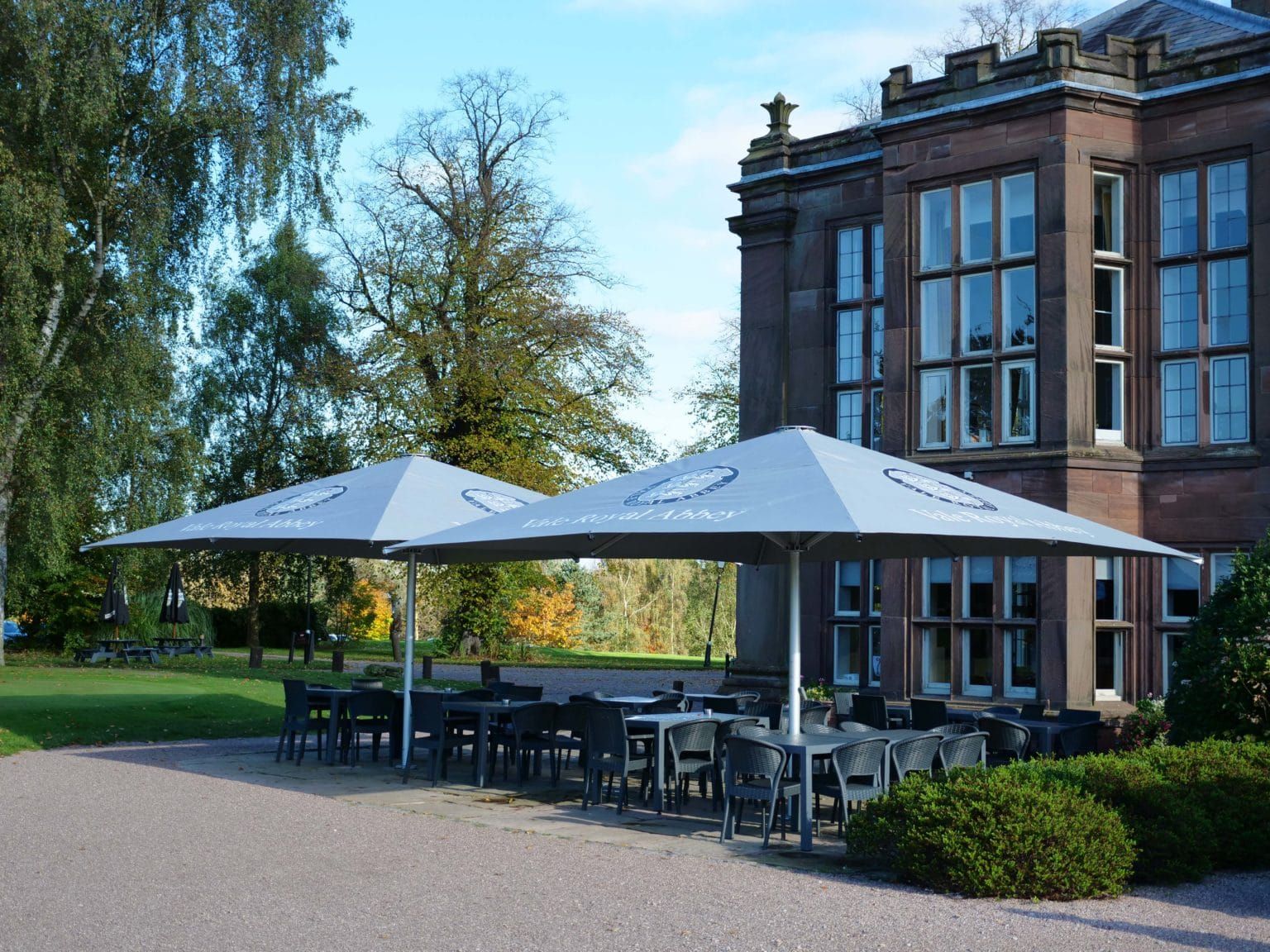
Shade as spatial definition
One of the clearest transfers from hotel design to pub gardens is the role of shade.
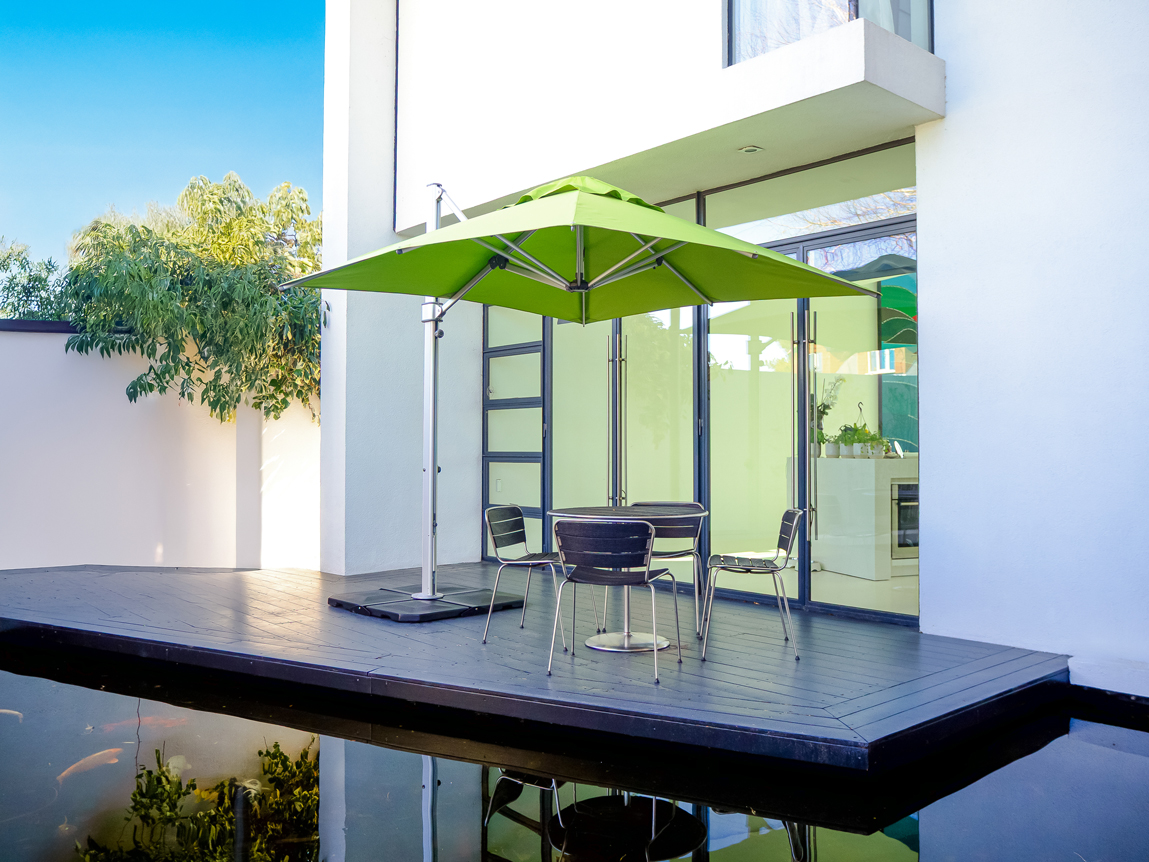
In high-end hospitality, parasols and canopies do far more than provide cover—they structure space and shape experience.
This is where solutions from InstaShade are becoming increasingly relevant.
Rather than acting as isolated objects, modern parasol systems are being used to define how outdoor areas function:
• Cantilever designs create open, uninterrupted layouts
• Centre-post models introduce rhythm and structure to smaller seating areas
• Adjustable systems respond to changing light conditions across the day
The effect is understated but significant: improved comfort, greater flexibility, and a more cohesive visual language across the space.
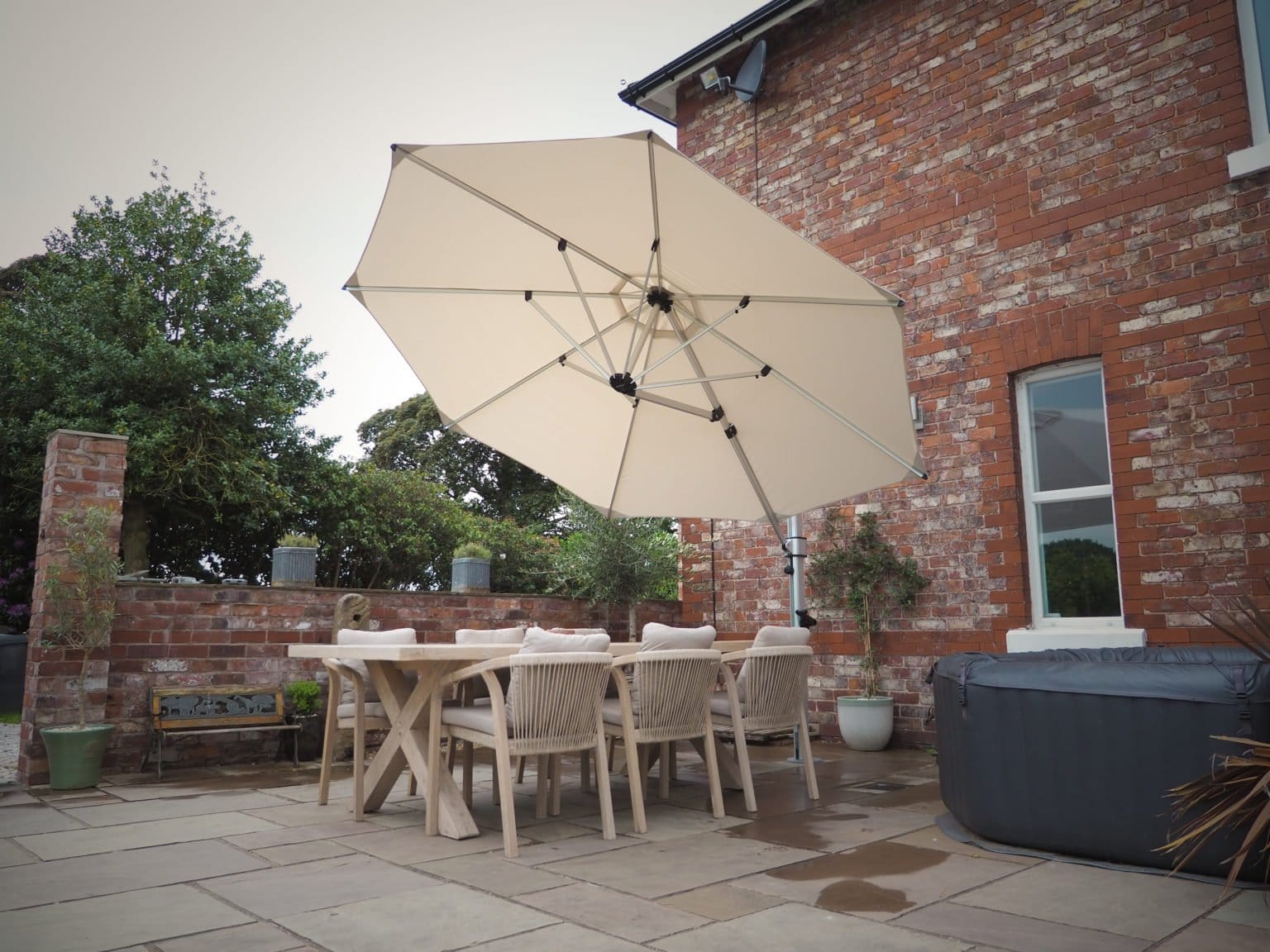
From capacity to atmosphere
Luxury hotels do not prioritise capacity alone – they prioritise experience.
That same thinking is now shaping how pub gardens are being reconsidered.
The focus is shifting towards how a space feels rather than how many people it holds:
• Light filtered rather than direct
• Natural materials over synthetic finishes
• Layered planting that creates enclosure without heaviness
Together, these choices create environments that feel calm, immersive, and slightly removed from everyday life.
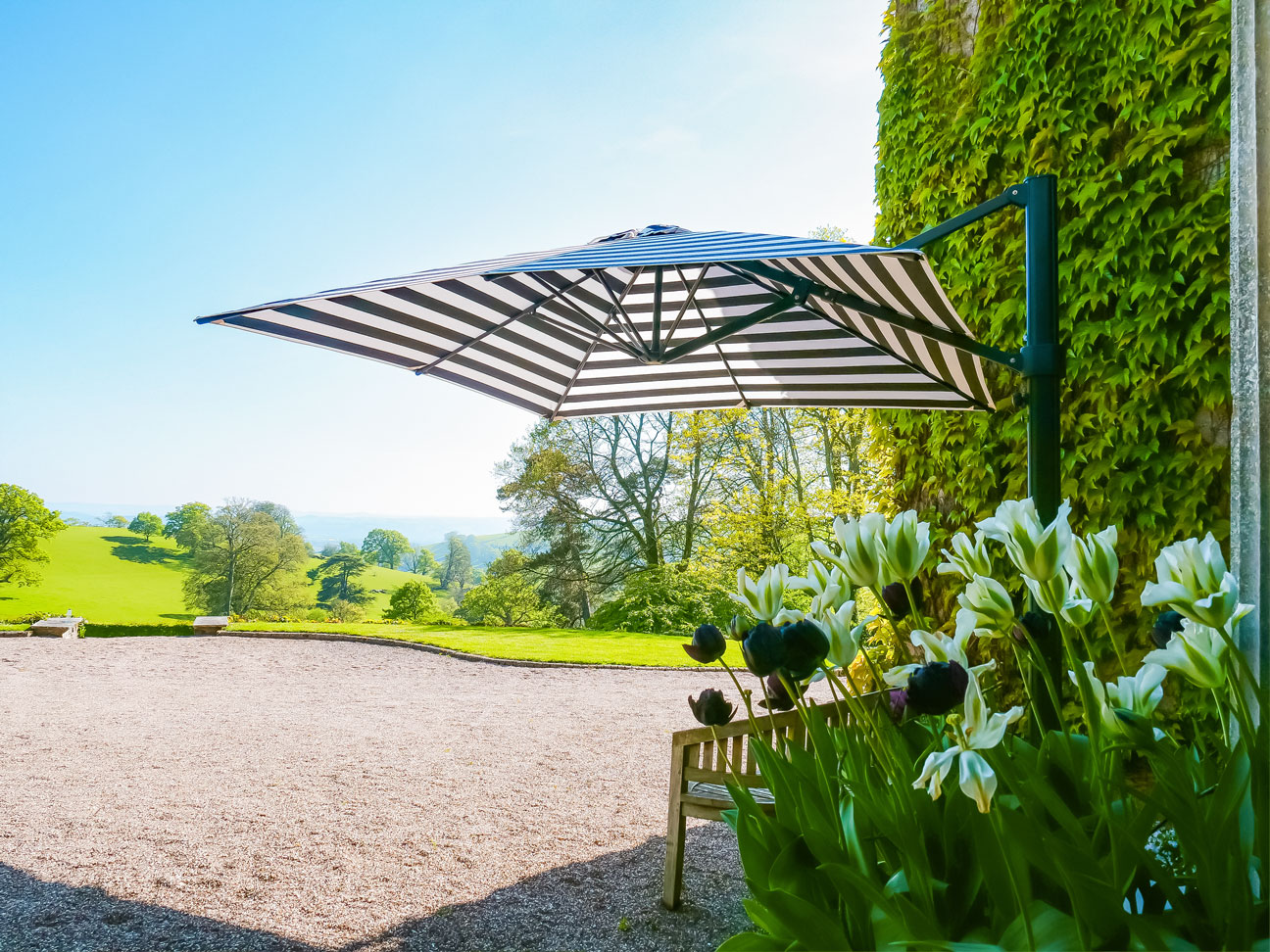
Trends borrowed from high-end hospitality
Quiet luxury aesthetic
Muted tones, timber textures, and restrained detailing continue to define premium outdoor design.
Bespoke expression
Venues are increasingly tailoring outdoor identity through colour, fabric, and layout, rather than relying on standardised solutions.
Resurgent pattern language
Subtle stripes and heritage-inspired detailing are reappearing in refined forms, adding structure without excess.
Flexible spatial design
Outdoor areas are being designed to shift throughout the day—from lunch service to evening drinks – without visual disruption.
Heritage, reinterpreted
Traditional forms such as scalloped edges are returning in simplified, contemporary interpretations.
One space, multiple moments
The most successful hotel terraces rarely rely on multiple outdoor areas.
Instead, a single space evolves across the day: breakfast, lunch, and evening service unfolding within the same carefully composed environment.
Pub gardens are beginning to adopt a similar approach.
With thoughtful design, one outdoor space can perform multiple roles without compromise, improving flow, atmosphere, and dwell time.
A shift in benchmark
Luxury hospitality has effectively reset expectations.
Even when unspoken, guests now recognise when an outdoor space feels considered -and when it does not.
For pubs, this is not about replication, but translation.
The principles that define successful hotel terraces – clarity, restraint, and cohesion -can be adapted to more accessible, local settings without losing authenticity.
In this evolving landscape, InstaShade sits within a broader design shift: one that treats outdoor space not as background, but as a defining part of experience.
Because in today’s hospitality culture, the most compelling escape is not defined by distance -it is defined by design.